Privatising The World: The New Rituals of Ultra-Luxury Tourism

By Eva Morletto11 décembre 2025
Expected to reach more than 1.5 trillion dollars by 2024, luxury tourism is changing: the rise of “aspiring luxury travellers” is redefining the codes of high-end travel and transforming the role of agents into storytellers.
Newsletters
Cet article vous plaît ?
Inscrivez-vous à nos newsletters pour recevoir les dernières publications et analyses selon nos 4 thématiques:
Designing Trips That Tell A Story of Identity, An Era, A Dream

For this select few, I create tailor-made experiences, designed to accompany them step by step in the fulfillment of their dreams
Filippo Torriani, founder of Queen of Clubs

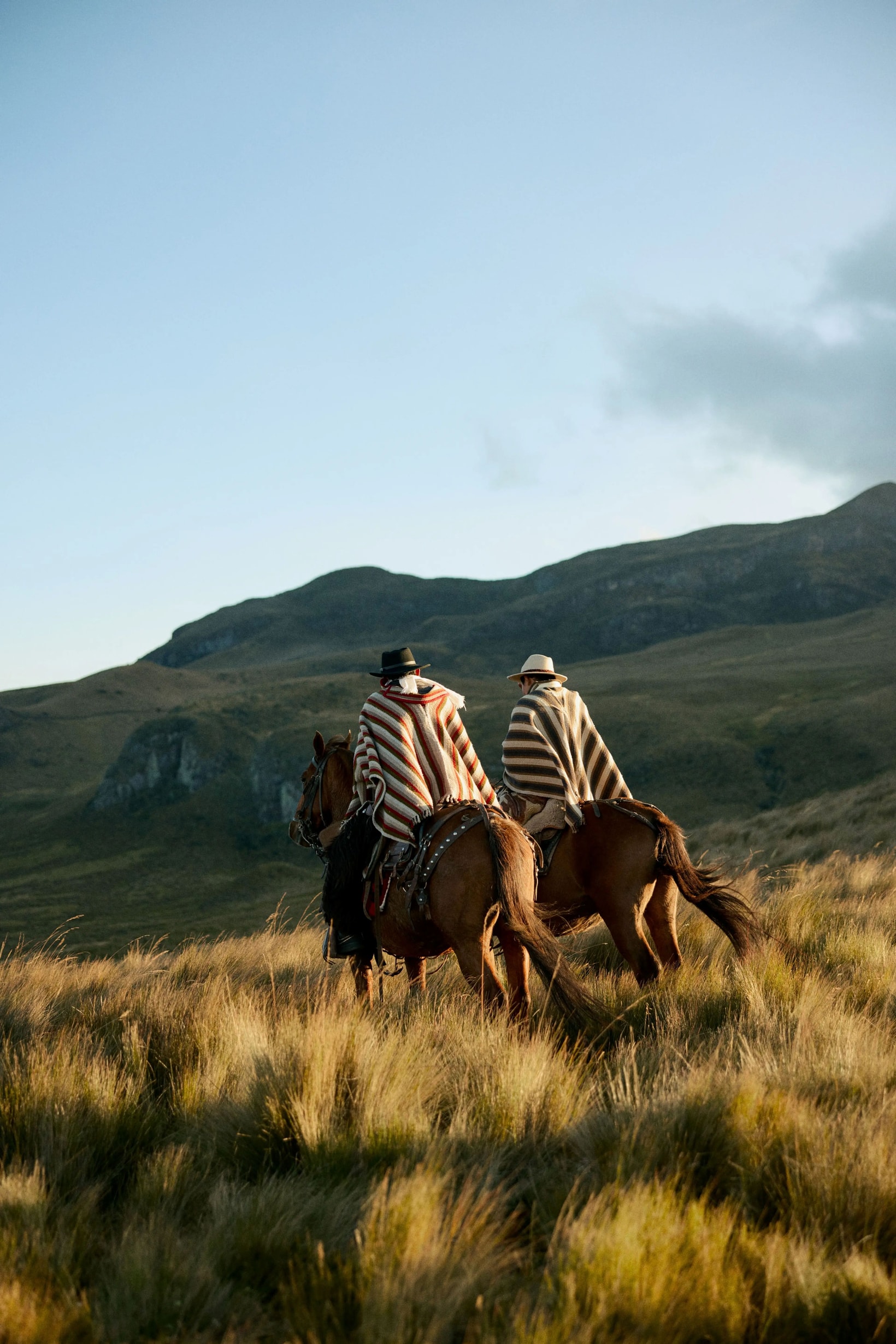
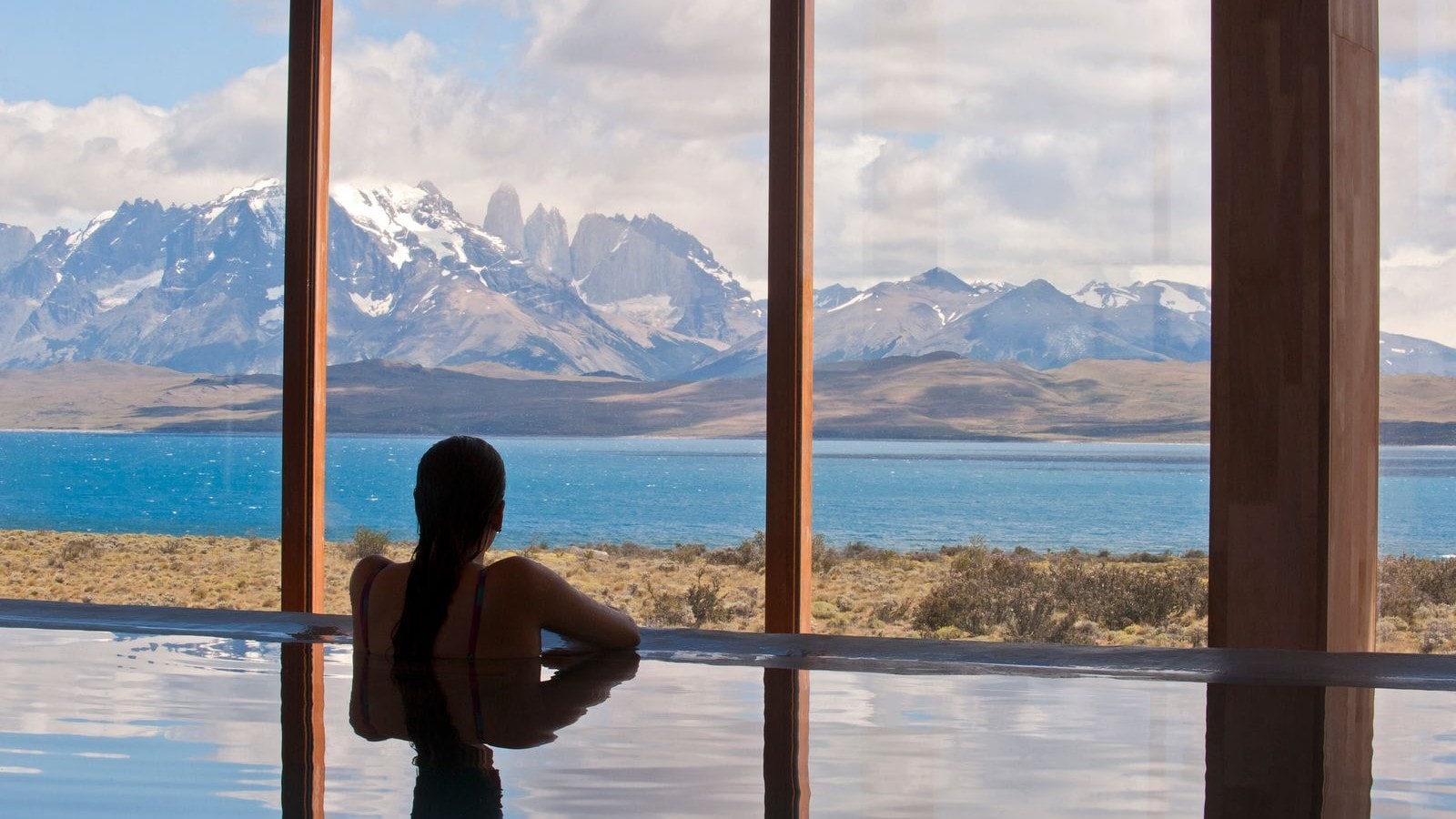
Some examples? An exclusive itinerary combining the savannah, Zambia's wildlife parks and the tropical islands of Madagascar, a combination that brings together several original gems of local luxury hospitality such as the Chinzombo, which comprises six villas hidden among the acacia trees, or the spectacular Royal Chundu, near Victoria Falls. In Argentine Patagonia, an hour's drive from the majestic Perito Moreno Glacier, Weisse selects locations that combine style and local experience with the quintessential pleasure of travel, understood as the privilege of being somewhere else. The portfolio of addresses includes places such as Eolo, an establishment surrounded by 10,000 hectares of wilderness between El Calafate and Los Glaciares National Park, and Estancia Cristina, with its local-style tin roof and five-star comfort. Precious moments follow one after another: tasting local Cabernet with a view of the Andes, watching condors, horse riding, nights lit by oil lamps with the Upsala glacier as a backdrop.
Outstanding Experiences With a Unique Imagination
At the other end of the spectrum, Black Tomato, founded in London in the early 2000s, appeals with its millennial approach to luxury: immersive stories, secret destinations and powerful marketing inspired by the world of adventure.
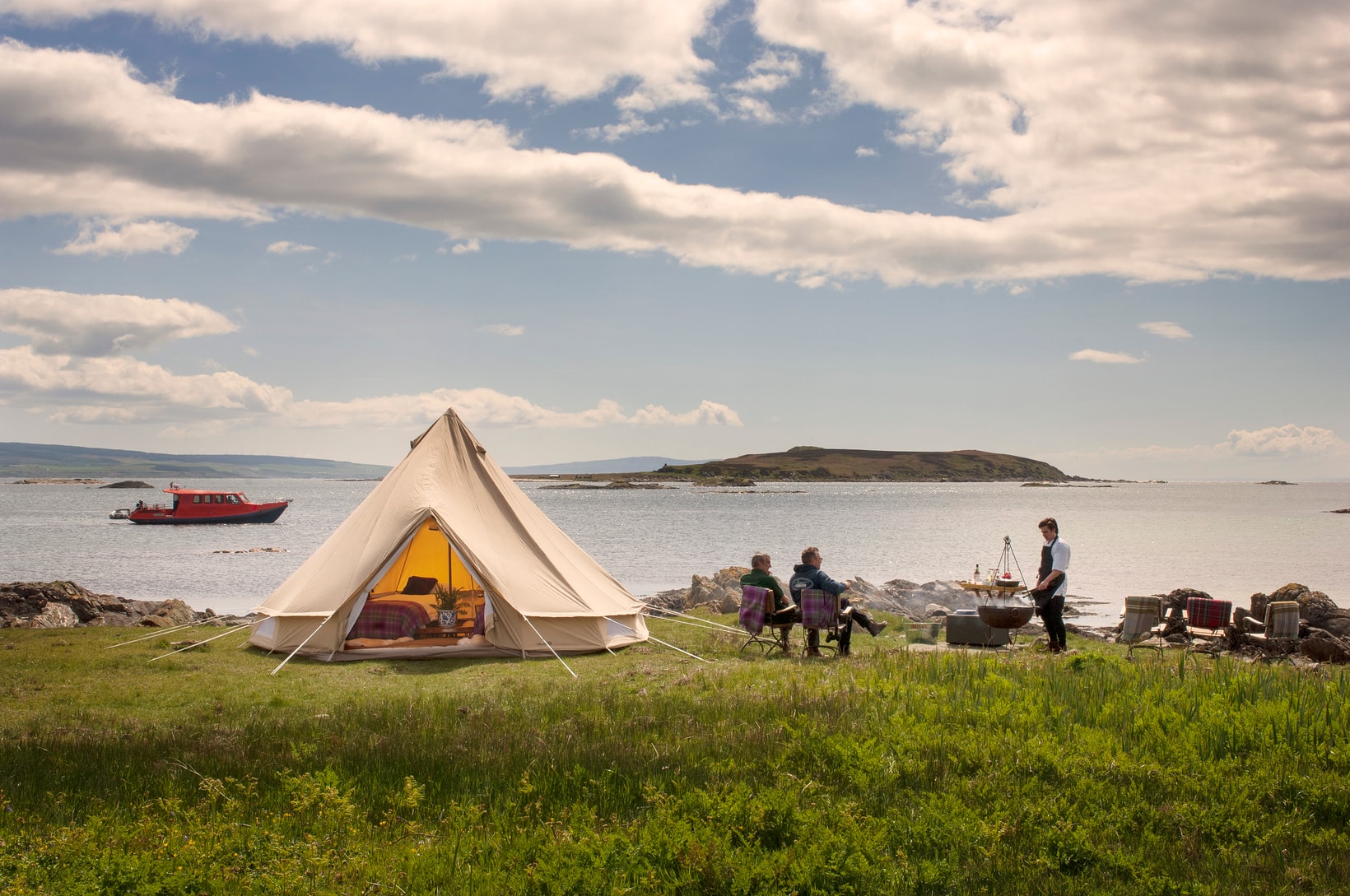
In Asia, Remote Lands has established itself as the specialist in insider itineraries, offering American and Middle Eastern clients rare access to temples, artisans and retreats in Southeast Asia.
Everywhere, the same logic prevails: the experience takes precedence over the location. Ultra-luxury travel becomes a personal narrative, often co-created by the client and the designer. Some programs are akin to theatrical productions: a night under the Northern Lights in a transparent bubble, a private expedition with a glaciologist in Antarctica, a Michelin-starred dinner in a medieval fortress rented for a single evening.
Secrecy And Exclusivity: The Value of Travel

Climbing this legendary Himalayan peak remains a classic, and it costs between 30,000 and 150,000 dollars to do so (the climbing permit issued by the Nepalese authorities alone costs nearly 8,000 dollars), but in recent years, the expedition has been so popular that queues have formed along the route, which has contributed to damaging the myth. All these offers, often photographed but rarely publicised, maintain the aura of secrecy that makes luxury so valuable.
Behind the magic of the story, however, the figures reflect a rigorous economic logic. The margins of ultra-high-end agencies range from 20 to 35%, thanks to a combination of hotel commissions, design fees and additional services. Nevertheless, the market remains fragile: dependence on the geopolitical situation and the confidence of international clientele requires a high degree of responsiveness. Paradoxically, the post-Covid period has strengthened this segment by giving travel an existential value: ‘live now’, even at a high price.
The trends for 2025 are rooted in this philosophy. Antarctica, Patagonia and the polar regions attract customers seeking silence and exclusivity.
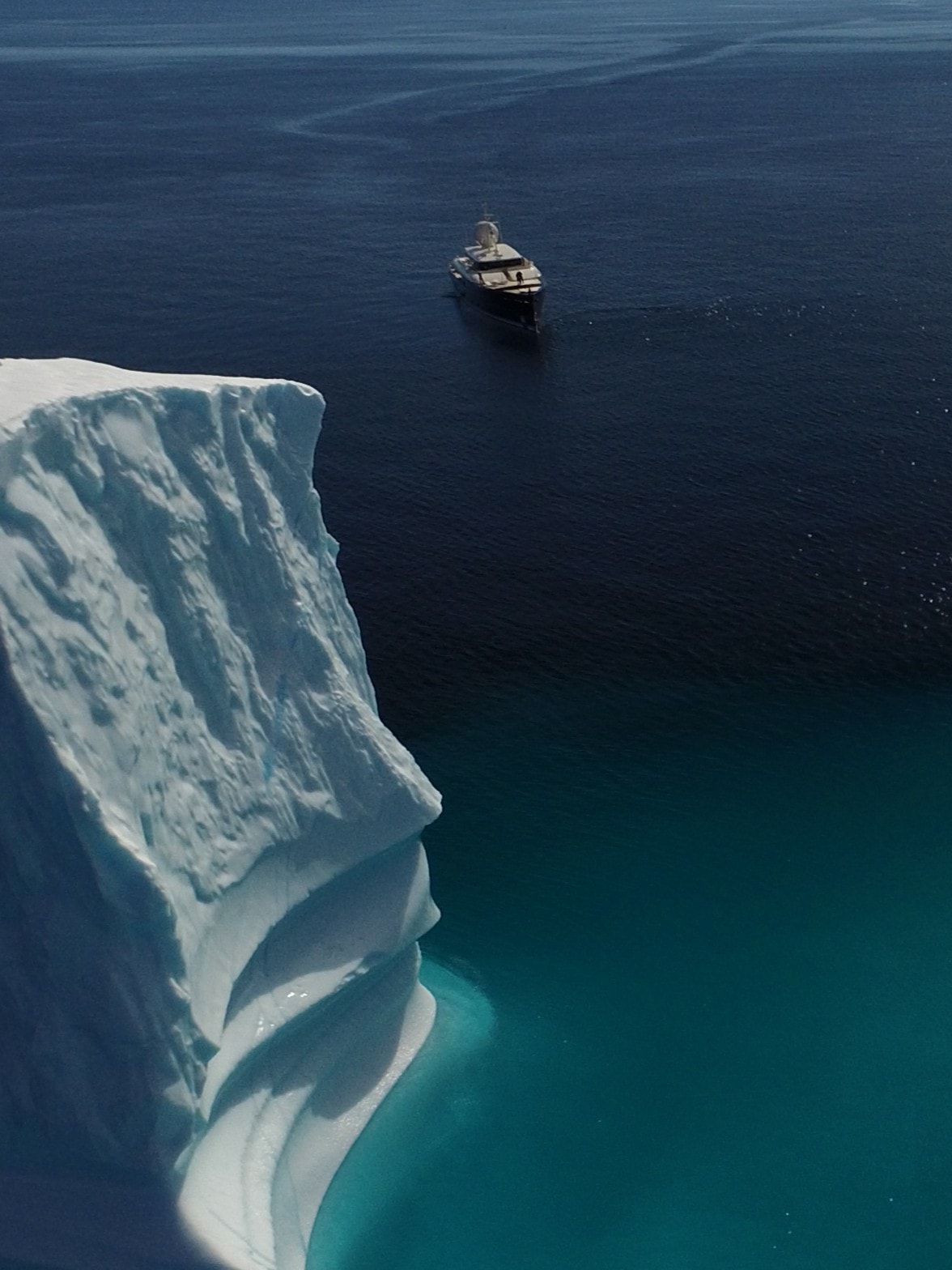
At the same time, sustainability is no longer a moral argument, but an attribute of luxury: respect for local communities, carbon neutrality, transparency of partners. Major agencies are investing in conservation foundations or reforestation programs, integrating responsibility into their storytelling.
In a world saturated with offers, ultra-luxury agencies thus represent the last bastion of rarity, and their economic strategy allows them to nurture an entire ecosystem of subcontractors (independent hoteliers, transporters, guides, artisans) and become vectors of innovation for the rest of the tourism industry.
According to several estimates by global tourism analysts, the Ultra-High Net Worth Individuals (UHNWI) category – those with assets in excess of 25 million dollars– spend around 3 billion dollars a year on travel and extraordinary experiences. Thus, 0.25% of travelers are securing the future of this type of ultra-luxury tourism, an industry that, according to experts, could be worth 440 billion dollars by 2032, while by the same year, luxury tourism in general is expected to reach around 2.76 trillion dollars.
The 2026 edition of the Arabian Travel Market, which will take place at the Dubai World Trade Centre from 4 to 7 May 2026, will focus primarily on the ultra-luxury segment: in the ATM Ultra Luxury Lounge, specially designed for travel operators catering to high-net-worth individuals, buyers will meet representatives from these agencies as well as the most prestigious brands in the hotel industry, such as Mandarin Oriental, Four Seasons, Jumeirah International and One&Only. The aim? To create a high-level ecosystem that brings together players in the luxury hotel, private aviation and yachting industries in a single space.
Partager l'article
Continuez votre lecture
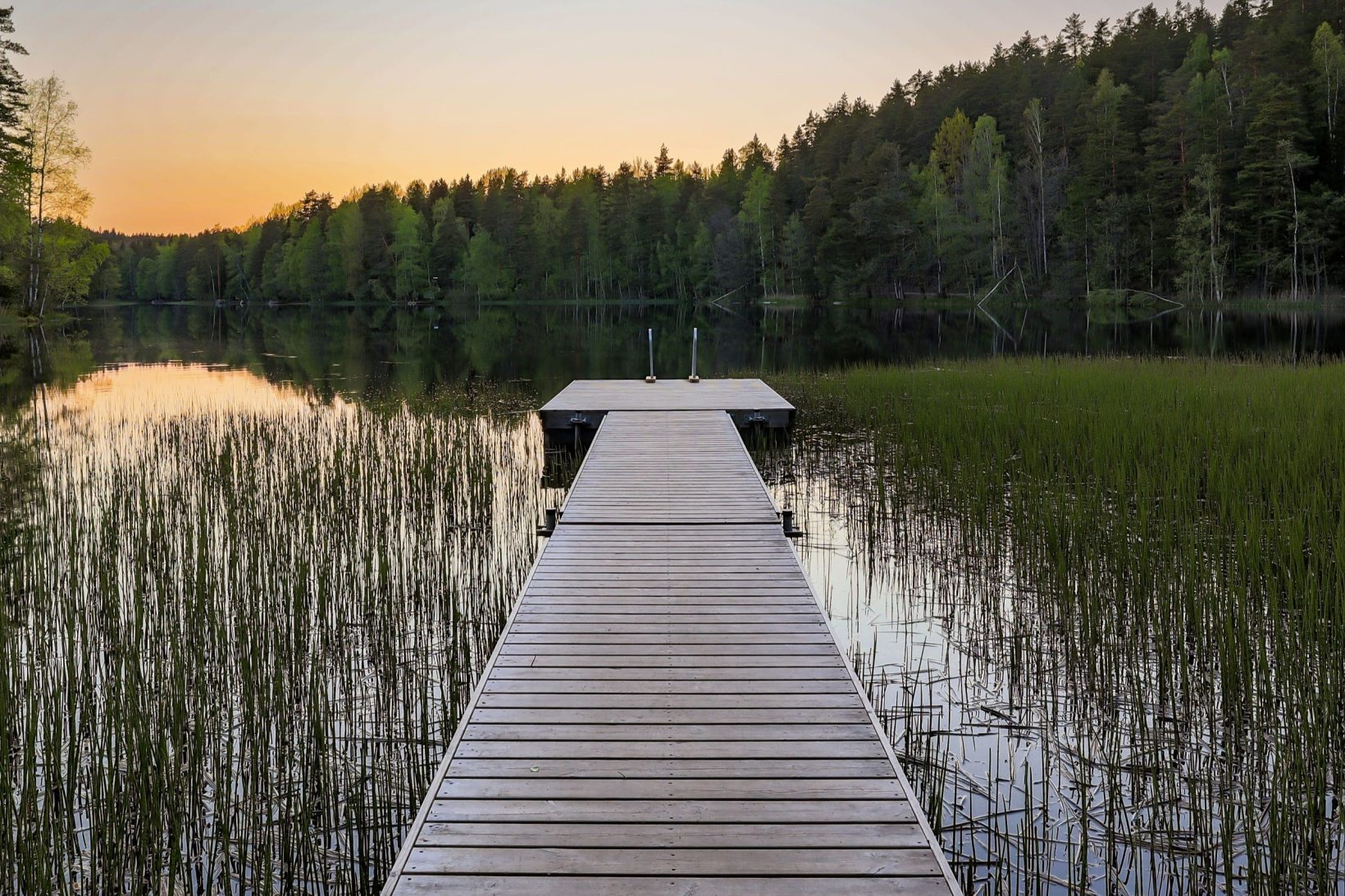
In Finland, Luxury Is Not As We Think
Finland is not only the happiest country in the world for the seventh consecutive year, it also embodies an unconventional vision of luxury, combining silence, nature, and second-hand.

The Golden Age of Rail Returns, and it’s Sustainable
From timeless elegance to cutting-edge innovation, rail is emerging as the most luxurious, sustainable – and surprisingly modern – way to move across continents. As the world’s attention shifts towards achieving net-zero emissions, train travel is back on track and redefining the journey itself.
Newsletters
Cet article vous plaît ?
Inscrivez-vous à nos newsletters pour recevoir les dernières publications et analyses selon nos 4 thématiques: