
Business

Tourism Will Be Worth $16.5 Trillion In 2035

Bettina Bush Mignanego

By Bettina Bush Mignanego27 novembre 2025

The WTTC (World Travel & Tourism Council) Global Summit chose Rome as the venue for its 25th edition, which ended on 30 September. One of the most influential events in the field of international tourism, it outlined the future of the sector, which is projected to be worth $16.5 trillion by 2035.

Travel to Asia-Pacific, such as Phang Nga Bay in Thailand above, increased by 11% in the first quarter of 2025 (Shutterstock)

$16.5 Tn

Value of the tourism sector by 2035

10.3%

Share of global GDP accounted for by tourism in 2025

Africa

In the first quarter of 2025, the continent recorded growth of 9%

International relations are fundamental to the development of tourism and partnerships

Daniela Santanchè, Italian Minister of Tourism

The presence of Prime Minister Giorgia Meloni at the opening was no coincidence. At the WTTC Global Summit, she defined the tourism sector as “an extraordinary generator of wealth and well-being”, while Tourism Minister Santanchè, who attended the entire event, emphasised: “International relations are fundamental to the development of tourism and partnerships, to sharing a vision that will take us far beyond and enable us to achieve goals that none of us could achieve alone. Tourism unites, it creates relationships between people.” A sector that, by 2035, will be worth more than $16.5 trillion worldwide, this summit is an opportunity to discover the major challenges of the future.

Newsletters

Cet article vous plaît ?

Inscrivez-vous à nos newsletters pour recevoir les dernières publications et analyses selon nos 4 thématiques:


Manfredi Lefebvre D'Ovidio, Chairman of the WTTC and Executive Chairman of Abercrombie & Kent Travel Group (Value Retail)

Manfredi Lefebvre D'Ovidio, President of the WTTC and Executive Chairman of the Abercrombie & Kent Travel Group, with extensive experience in the luxury cruise industry, shared his views with us, taking as his starting point the global tourism figures that confirm its recovery after Covid. We asked him to make some predictions for 2026: In 2024, the world recorded approximately 1.4 billion international tourist arrivals (visitors staying at least one night), representing approximately 99% of pre-pandemic (2019) levels. In the first quarter of 2025, arrivals increased by around 5% compared to the same period in 2024 (more than 300 million travellers), and by around 3% compared to the equivalent period before the pandemic. (Source: UNWTO) In terms of economic impact, the World Travel & Tourism Council forecasts that the travel and tourism sector will contribute approximately $ 11.7 trillion to the global economy in 2025, representing approximately 10.3% of global GDP. (Source: CNW Network) International visitor spending is estimated at $2.1 trillion in 2025, surpassing the previous peak of approximately $1.9 trillion in 2019. (Source: Globetrender). As for 2026, although there is no single definitive figure, Savills predicts that international arrivals will increase by 3-5% per year, depending on the region.

An Uneven Recovery

Laba Mama Simba, a safari lodge located in the North Dolly estate, near Arusha, Tanzania. Arusha is fast becoming one of the country's most attractive destinations (Laba Mama Simba)

Analysing the forecasts for 2026, we can see specific trends and note that, in general, travel is not experiencing a crisis: "The recovery, according to UNWTO data, is widespread but uneven: some regions such as Africa and parts of Asia-Pacific are experiencing strong growth, while others are seeing a slower recovery.

Nkasa Linyanti is a six-room camp located in the heart of Namibia's Nkasa Rupara National Park. Guests access it via the Kwando River, above (Nkasa Linyanti)

For example, Africa recorded +9% growth in the first quarter of 2025 compared to 2024; Asia-Pacific markets grew by 11% in the same period. More and more women are travelling alone, particularly in the luxury segment. Demand remains strong despite inflation, geopolitical risks and exchange rate pressures, with people continuing to prioritise travel. Demand for shorter, off-season trips is on the rise.

In the luxury sector, two pillars are becoming increasingly important: digitalisation and sustainability. "Personalised, immersive and localised experiences are on the rise, particularly in the luxury sector, for wellness-focused travel and towards a growing awareness of sustainability. The Deloitte survey found that around 80% of luxury travellers want to travel more responsibly, and around 75% are willing to pay more if the value/use of the money is clear." But that's not all; the philosophy of travel is also changing: ‘Luxury tourism is seeing growth in “regenerative travel”, which means not only minimising impact, but also leaving a positive legacy in destinations. In summary: to be successful, luxury tourism must be able to guarantee personal transformation and experiences that are rich in context and aligned with values.’

Luxury Travel: Growing Awareness of Impact

Luxury cruise customers prefer less frequented destinations and exclusive cultural experiences. Above, the Aqua Mekong, a 62-meter-long yacht, takes travelers between Cambodia and Vietnam on the Mekong River (Abercrombie & Kent)

Customers want exclusivity and privacy

Manfredi Lefebvre D'Ovidio, Chairman of the WTTC and Executive Chairman of Abercrombie & Kent Travel Group

Focusing on luxury cruises, a sector Manfredi Lefebvre knows well, he points out: ‘Customers are looking for smaller ships with more personalised service, less crowded places, immersive experiences accompanied by cultural themes. They want exclusivity and intimacy.’

Also in the field of luxury tourism, Desirée Bollier, Vice President of Retail at WTTC and also President and Global Chief Merchant of The Bicester Collection, highlights an important aspect that emerges from high-end purchases made by tourists during their travels: "The concept of luxury travel is changing: from simple pleasure to impact travel. An example of this transformation is The Bicester Collection Villages, which offers destinations where guests can discover wonders and an authentic sense of belonging. This is the new frontier of hospitality: meaningful experiences that enrich both the traveller and the place."

The concept of luxury travel is changing: from simple pleasure to impactful travel

Desirée Bollier, Vice President of Retail at WTTC, Global Chief Merchant at The Bicester Collection

Desirée Bollier, vice-présidente Retail WTTC, Global Chief Merchant de The Bicester Collection (Value Retail)


Moving on to tourism-related issues, such as overtourism, Manfredi Lefebvre has clear ideas on the strategies to adopt to limit the inconveniences affecting major tourist cities, but also smaller destinations: "We need to succeed in spreading demand over time and space, with fewer iconic destinations, and know how to encourage travel during the shoulder seasons. Manage flows while integrating sustainability and local benefits; raise awareness among travellers and emphasise their responsibilities; higher spending may justify fewer visitors, but with a greater positive impact and a reduced environmental footprint.

If done right, the luxury and travel segments can be a positive force. They generate significant economic value

Manfredi Lefebvre D'Ovidio, Chairman of the WTTC and Executive Chairman of Abercrombie & Kent Travel Group

In short, tourism can also become a positive resource for the planet: "If done right, the luxury segment and travel in general can be a positive force. They generate significant economic value in terms of employment, investment and infrastructure, and we believe that for many countries this is a vital resource. As already highlighted, by 2025, this sector will account for around 10% of global GDP, according to the CNW Network. It can promote intercultural understanding, heritage protection and environmental awareness. Luxury travellers are often very committed to conservation, local authenticity and cultural enhancement. With proper planning, regulation and design, tourism can support conservation (e.g., marine parks and nature reserves supported by high-value-added, low-volume tourism), sustainable infrastructure (eco-resorts and renewable energy) and local community development. He concludes: ‘The key lies in responsibility: if left unregulated and uncontrolled, tourism can harm ecosystems, cultures and local well-being; but if aligned with sustainability goals, it can become a catalyst for regeneration and protection, rather than exploitation.’

The Secret Bay complex in Dominica offers private villas and secluded beaches to satisfy guests seeking privacy (Secret Bay)

Partager l'article

Continuez votre lecture
The Saint-Barthélemy Paradox
Strategy

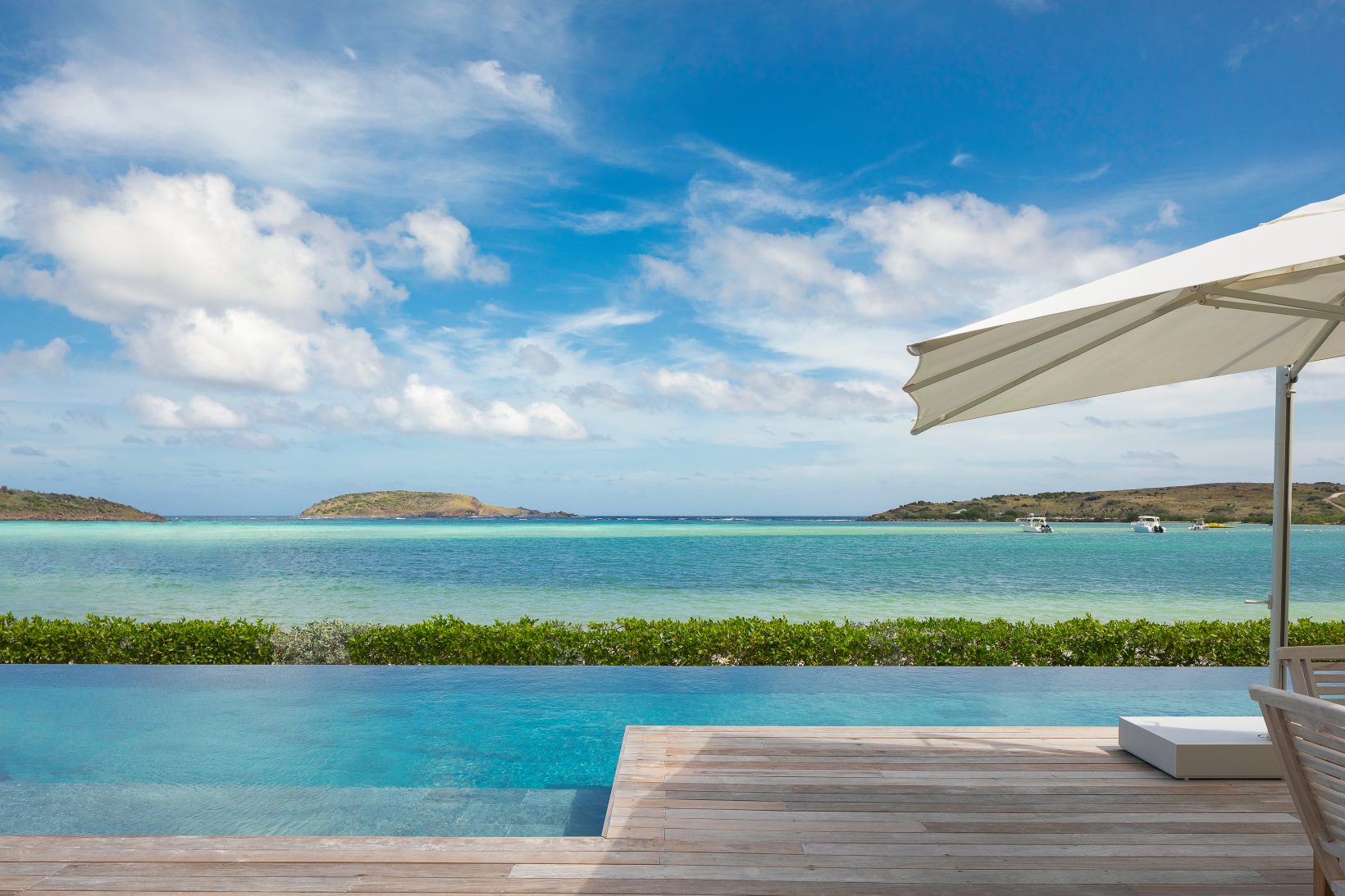
The Saint-Barthélemy Paradox

While international investors smile, Saint Barth embodies a fascinating paradox: a haven for the ultra-rich, yet unable to house its own residents or the workers who keep its palaces alive. Report from Gustavia
By Aymeric Mantoux

In Finland, Luxury Is Not As We Think
Travel & Wellness

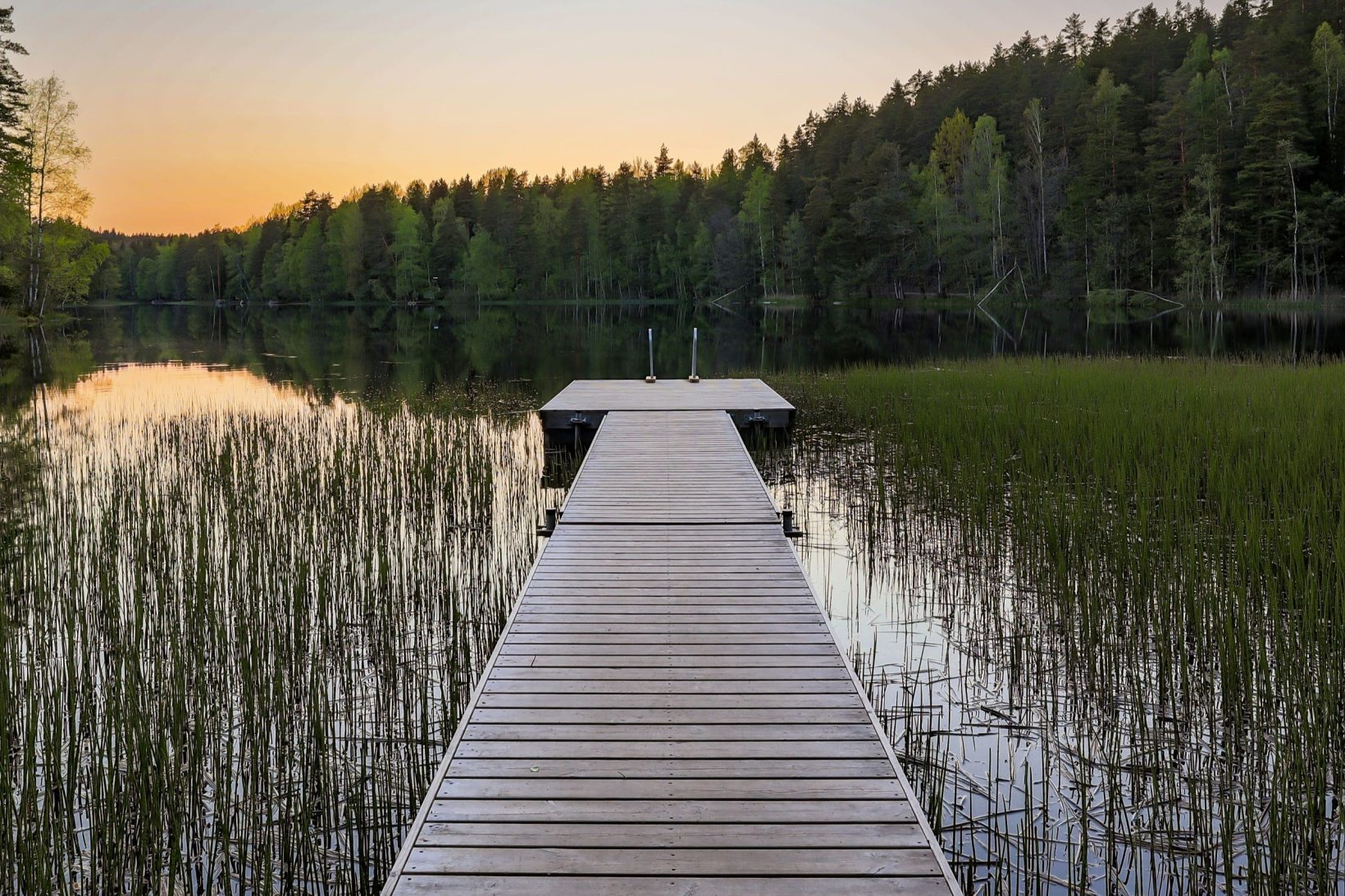
In Finland, Luxury Is Not As We Think

Finland is not only the happiest country in the world for the seventh consecutive year, it also embodies an unconventional vision of luxury, combining silence, nature, and second-hand.

By Aymeric Mantoux

Newsletters

Cet article vous plaît ?

Inscrivez-vous à nos newsletters pour recevoir les dernières publications et analyses selon nos 4 thématiques:


    Conçu par Antistatique