Short-Term Rentals: A Market Shifting Toward Ultra-Luxury

By Samia Tawil15 septembre 2025
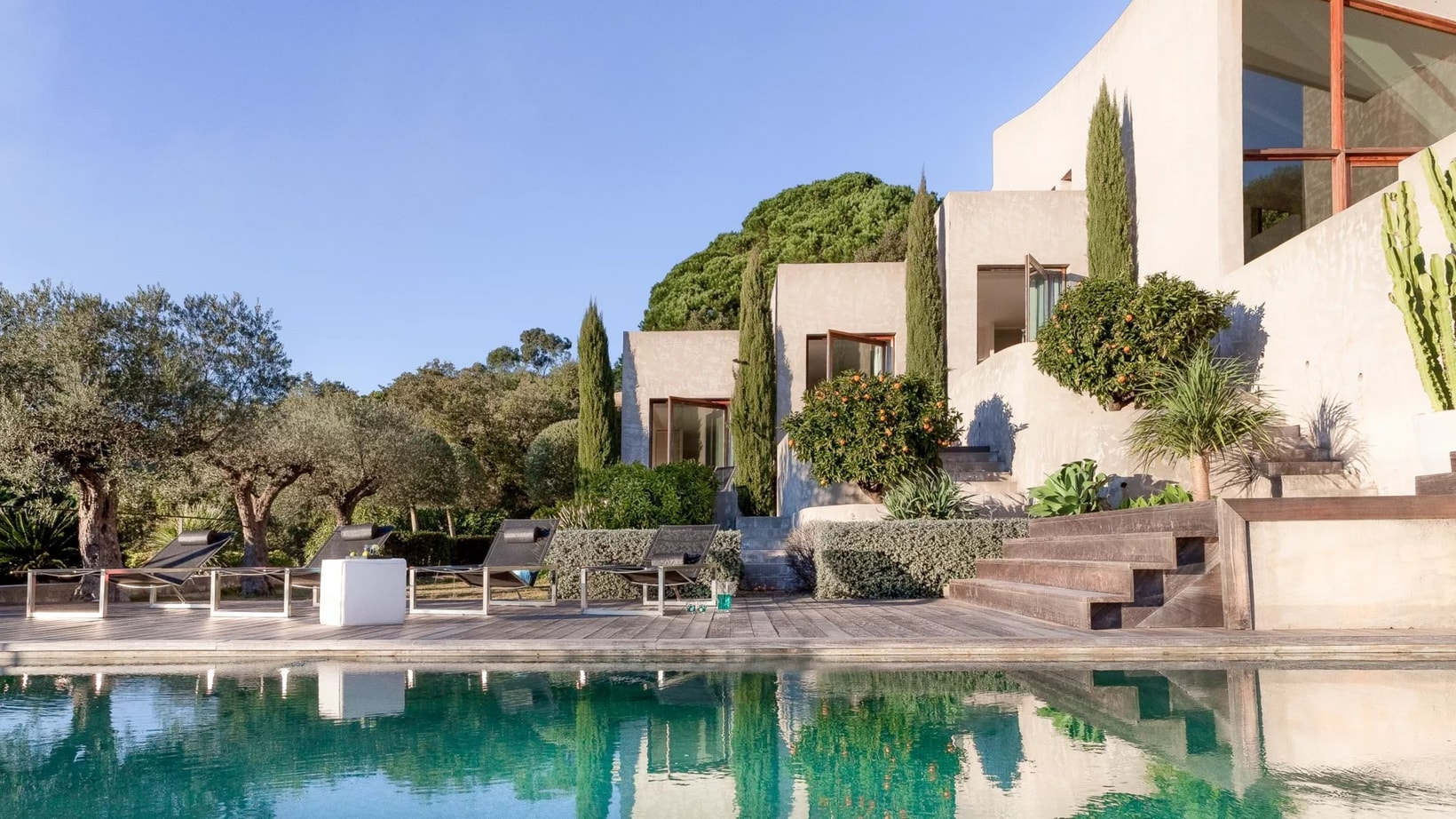
This year, short-term rentals are experiencing a slowdown that is forcing the sector to reinvent itself. While demand for high-end accommodation offering personalised services is growing (+16.9% by 2032), the major platforms are now being challenged by players who are experts in the ultra-luxury sector.
$154 M
Airbnb's profit in Q1 2025
16.9%
Annual growth rate through 2032 for the luxury vacation sector
18K
Cut in New York's short-term rental inventory since 2023

Airbnb Quietly Pivots Toward Luxury
Newsletters
Cet article vous plaît ?
Inscrivez-vous à nos newsletters pour recevoir les dernières publications et analyses selon nos 4 thématiques:
Pour continuer à lire cet article, abonnez-vous maintenant
CHF 10.- par mois / CHF 99.- par année
- Accès illimité à tous les contenus payants
- Des analyses approfondies sur l'industrie du luxe que vous ne trouverez nulle part ailleurs.
- Des études et rapports sur les principaux défis à venir ainsi que leur décryptage.
- Des articles académiques élaborés par des professeurs et des doctorants membres du Swiss Center for Luxury Research, ainsi qu’un certain nombre d’universités à l’étranger.
- Des événements réservés aux membres pour enrichir vos connaissances et votre réseau.
Partager l'article
Continuez votre lecture
India: The Quiet Gold Rush for Ultra-Luxury Homes
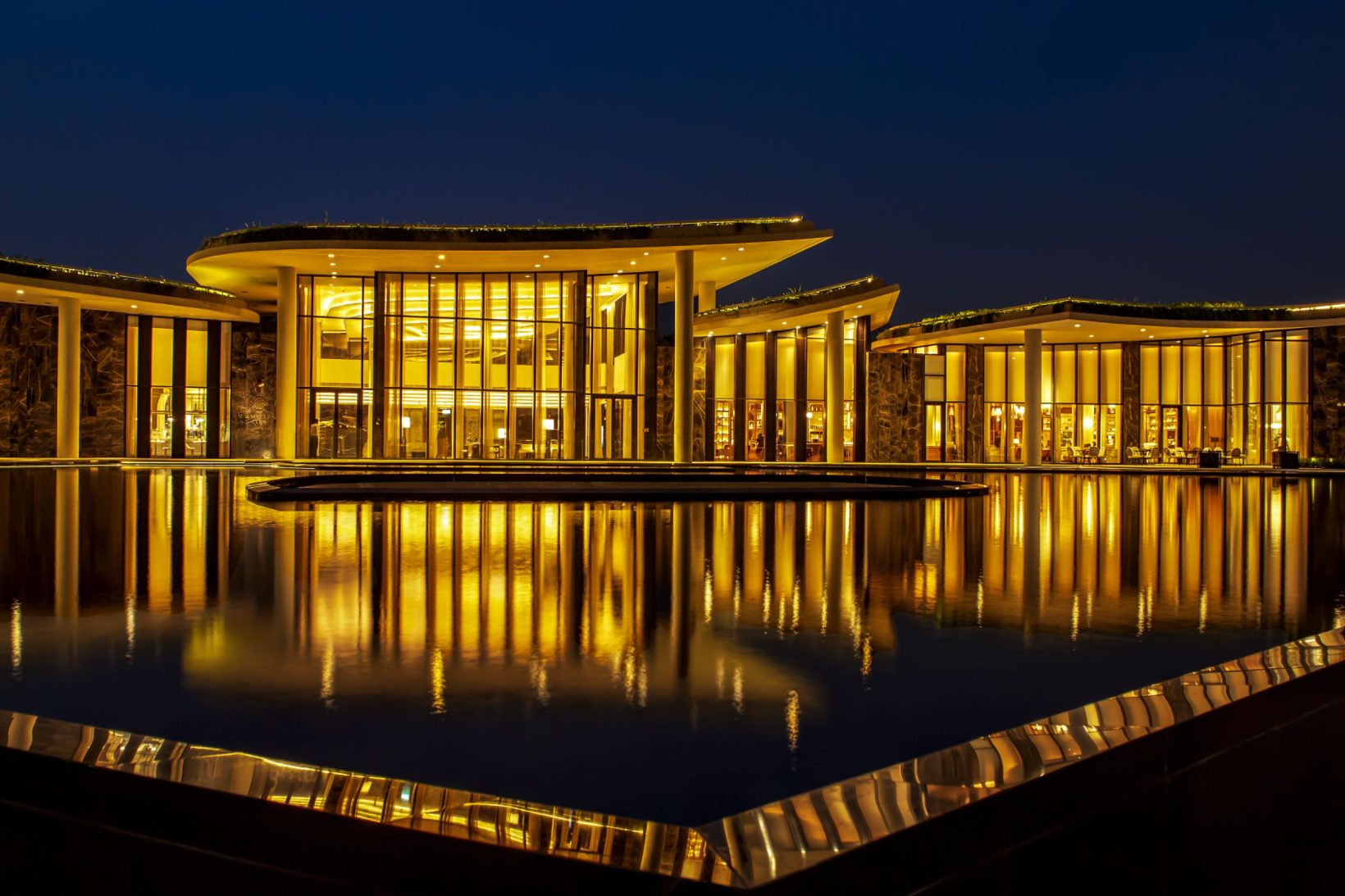
India’s luxury housing market is touching new highs as prestigious pin-codes command record breaking prices and elite societies redefine luxury housing with 5-star amenities. Luxury Tribune explores how India’s wealthy are turning prime real-estate into a powerful status symbol.
Owning a Ranch, the New Obsession of the Ultra-Rich
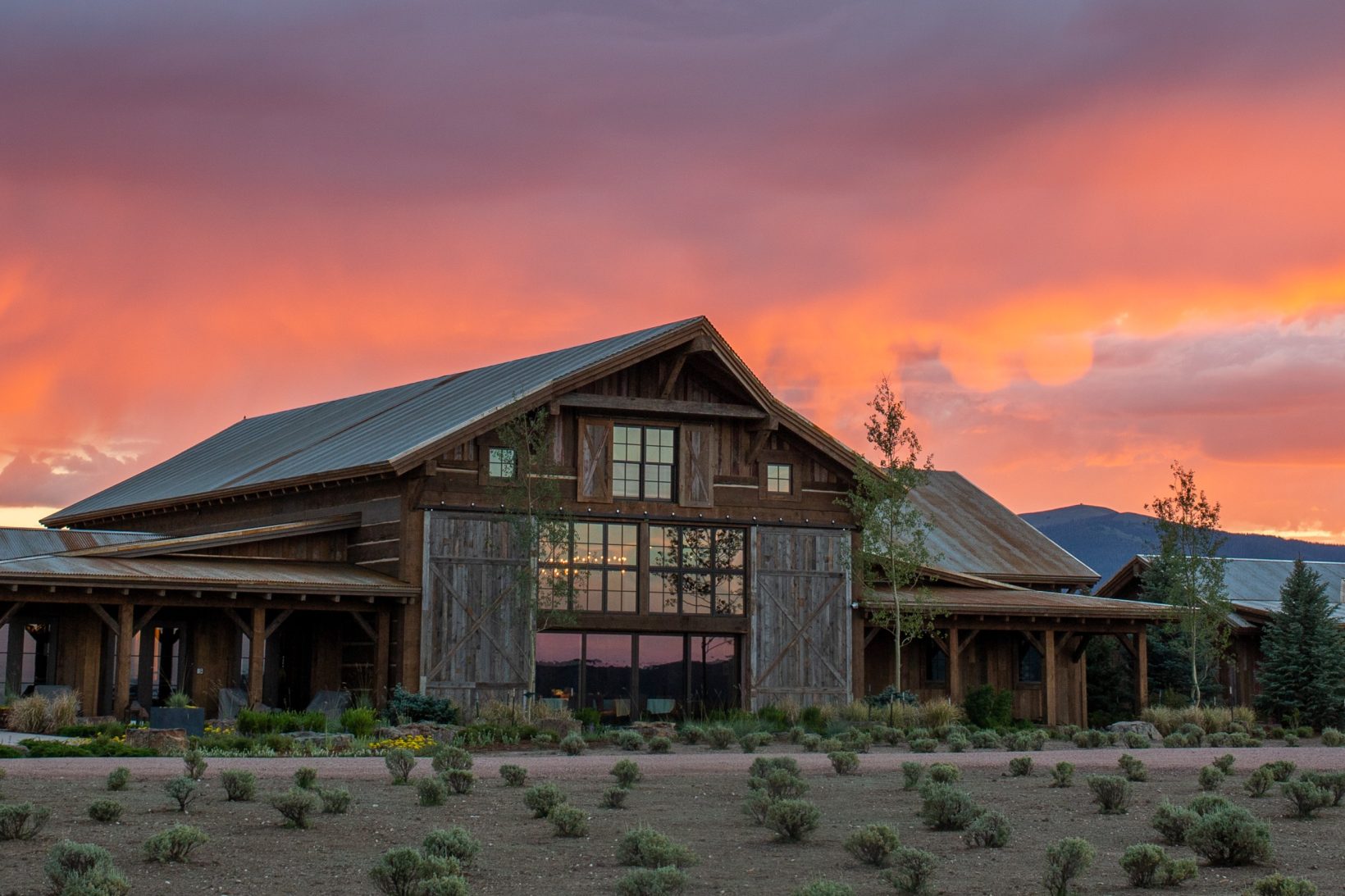
From the high plains of Montana to the mountains of Colorado and the valleys of Texas, huge ranches are now becoming the new status symbol of the wealthiest individuals.
Newsletters
Cet article vous plaît ?
Inscrivez-vous à nos newsletters pour recevoir les dernières publications et analyses selon nos 4 thématiques: