From traditional ultra-luxury to hybrid ecosystems blending wellness, real estate, gastronomy and culture, the global hospitality industry is entering a new phase of diversification—one in which local identity has become a key strategic lever.
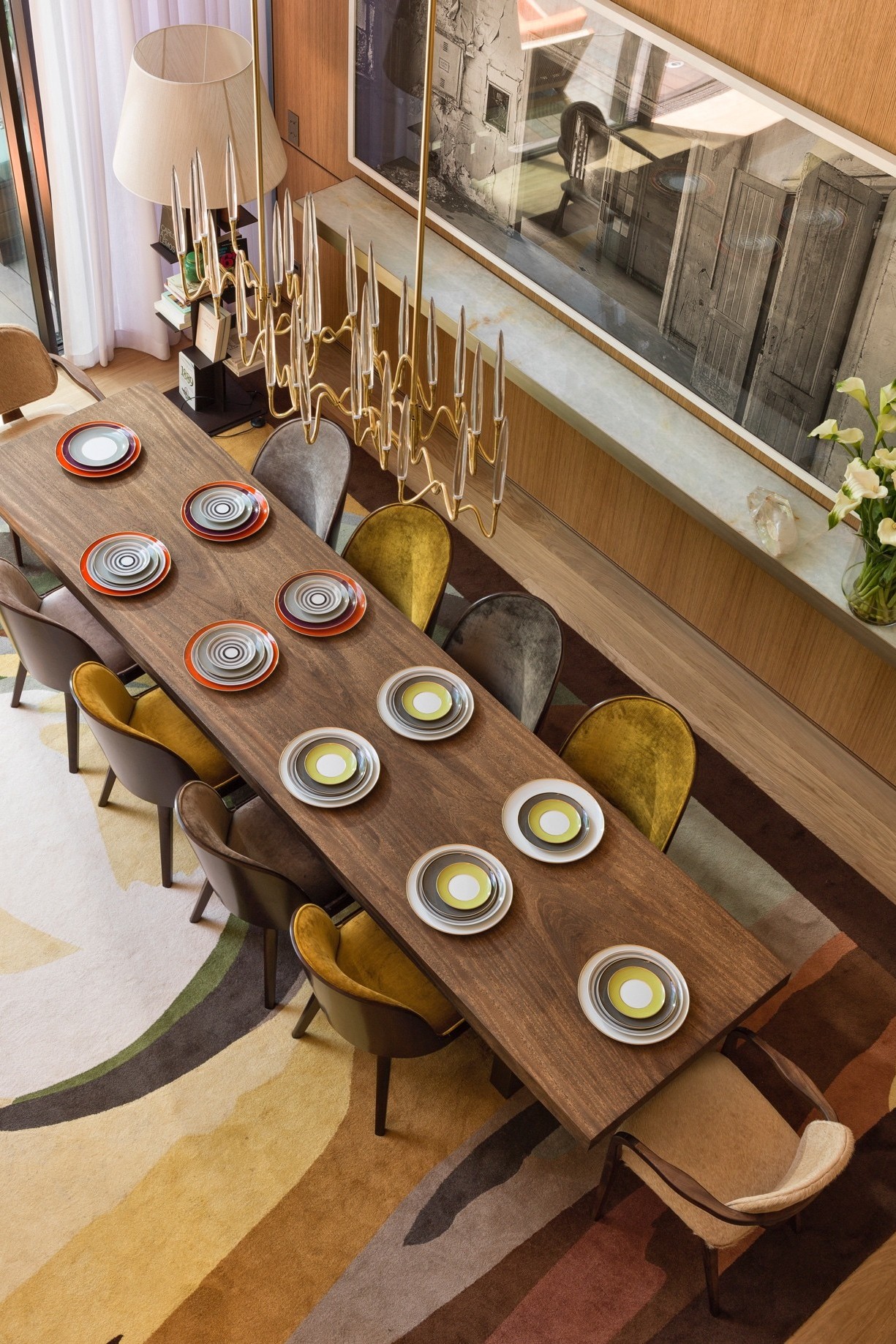
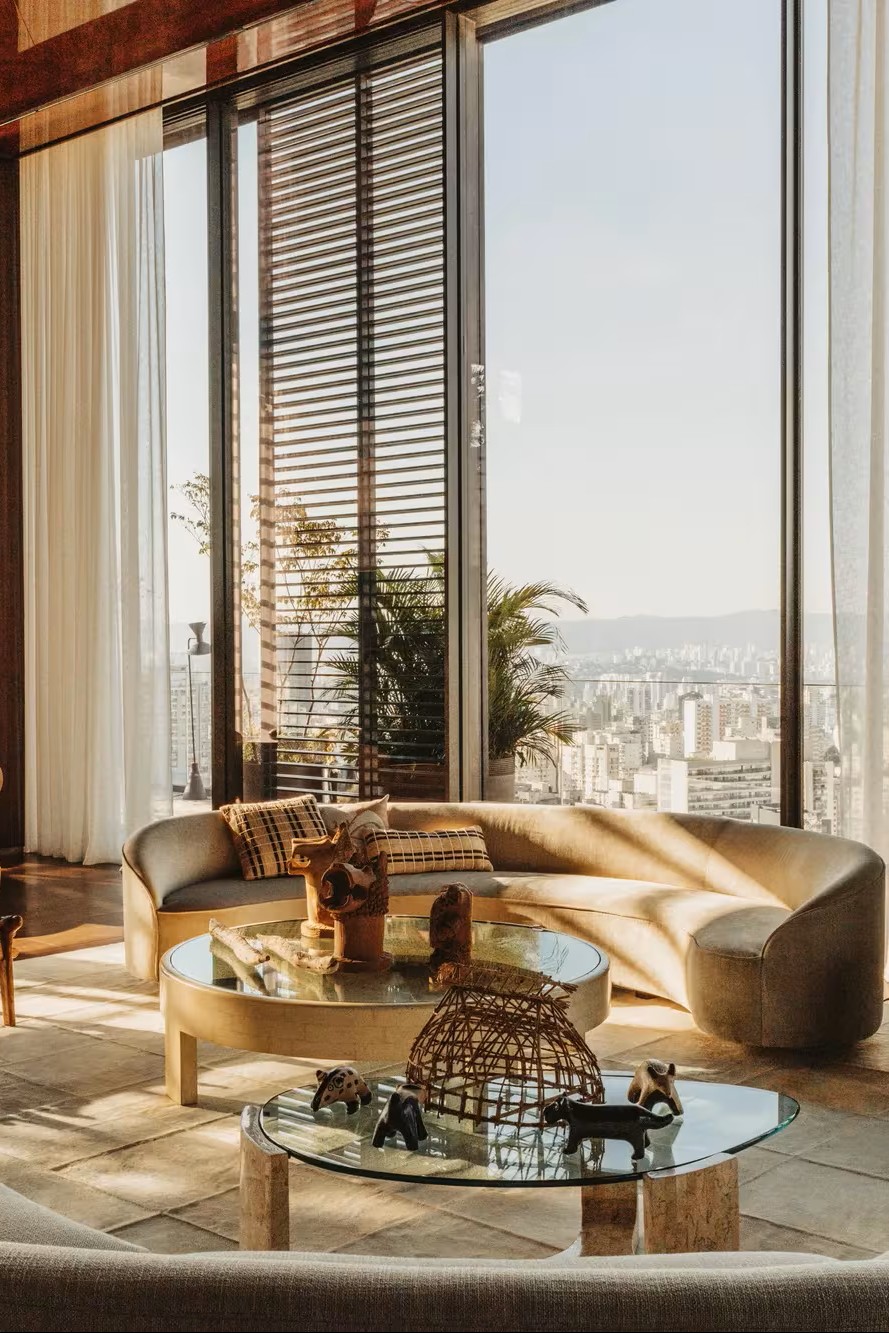
The Rosewood in São Paulo showcases Brazil's lush vegetation and indigenous craftsmanship in a former disused hospital (Starck Network/Taraz Ruy Teixeira)
The old playbooks have run their course. Horizontal diversification—long favored by hotel chains to safeguard brand consistency—no longer appears aligned with the spirit of the times. Built on the replication of standardized services, this model now seems ill-equipped to address guests in search of novelty, whose increasingly niche expectations demand sharper differentiation.
Newsletters
Cet article vous plaît ?
Inscrivez-vous à nos newsletters pour recevoir les dernières publications et analyses selon nos 4 thématiques:
NewsGen ZAnalysesTrends to watch
Some major hotel groups, however, have listened closely to the call. By repositioning their assets, they are now creating differentiated offerings at the source. Whether through real estate investment or hybrid business models, these players are asserting themselves as global lifestyle actors operating across multiple fronts, well beyond traditional hospitality.
Understanding a Place, Revealing Its Essence
“Emotional hospitality” is the credo of the Six Senses brand, which is attracting an increasingly younger clientele with its holistic offering (Six Senses)
In a market projected to reach USD 222 billion by 2025 (Global Growth Insights), these groups are sparing no expense when it comes to rebranding. Vladislav Doronin, who acquired Aman from founder Adrian Zecha in 2014, recently raised USD 900 million from heavyweight investors including Saudi Arabia’s Public Investment Fund (PIF) and Cain International and aims to inject an additional USD 2 billion by 2025 to fuel Aman’s global expansion through diversified models.
Six Senses has always stood out for its clear and unique philosophy, based on three pillars: wellness, sustainability, and extraordinary experiences
Jean-Yves Blatt, Director of Six Senses Crans-Montana
Originally known for its ultra-luxury resorts, Aman has gradually evolved into a global ecosystem encompassing wellness, lifestyle, residential real estate and even maritime experiences. Its upcoming superyacht project, Amangati, scheduled to launch in spring 2027, epitomizes this multi-product, multi-market portfolio strategy.
Six Senses embodies the essence of a forward-thinking hospitality signature—one that seeks to surprise through a distinct identity at each property. Currently operating 27 hotels and resorts across 21 countries, the brand has recently signed agreements to develop 43 additional properties. Operating under the umbrella of IHG, which acquired the brand in 2019 for USD 300 million from Pegasus Capital Advisors, Six Senses’ significant investments and renovations undertaken last year illustrate an innovative vertical diversification strategy, with a brand firmly anchored in what it defines as “emotional hospitality.”
Jean-Yves Blatt, General Manager of Six Senses Crans-Montana, shares with us in an exclusive interview: “Six Senses has always stood out through a clear and singular philosophy built around three pillars: wellness, sustainability and extraordinary experiences. This vision forms the foundation of every one of our properties worldwide, while giving us the freedom to root each hotel or resort in the very essence of its environment. (…) Six Senses’ essence is universal, but its interpretation is always born from what each destination has to offer. In Crans-Montana, we draw inspiration from the power of nature, the light, the openness of the high plateau and the beauty of the Alpine landscape. In winter, snow naturally shapes our identity; in summer and the shoulder seasons, hiking, golf and, above all, our internationally recognized holistic wellness offering take center stage.”
The Amangati yacht, currently under construction, will begin cruising in spring 2027 (SINOT Yacht Architecture & Design)
The immersive retreats offered by Six Senses are indeed attracting a growing number of high-profile entrepreneurs, drawn to alternative regenerative practices. Six Senses Crans-Montana even hosted the latest edition of the Alma Frequency festival—a large-scale wellness retreat bringing together an international community of influential digital nomads seeking to recalibrate the balance between productivity and fulfillment, while engaging with renowned experts.
What emerges clearly from Jean-Yves Blatt’s words is a deep passion for the region, reflected throughout the hotel’s offering: “Valais inspires us profoundly—its seasonal produce, artisanal savoir-faire, strong connection to nature and local culture. But our commitment goes further. Through our Earth Lab, we develop initiatives aimed at eliminating single-use plastics, supporting local projects and inviting our guests to experience sustainability as a source of inspiration.”
Gastronomy as a Rebranding Lever
The Rosewood in São Paulo, which opened in 2022 in a former early 20th-century hospital, is a bold project by Alexandre Allard that combines heritage restoration with a unique hotel opportunity (Rosewood)
This quest for renewal and singularity is also expressed through a new gastronomic direction. “The reopening of Byakko perfectly embodies this evolution,” Blatt explains. “It reflects the culinary transformation of Six Senses Crans-Montana. Under the culinary direction of Chef Yukta, the restaurant celebrates the essence of Japanese cuisine, elevated through delicate modern touches. Seasonal ingredients, selected responsibly, are handled with precision and authenticity to create dishes that are both grounded and refined. Each plate expresses purity, craftsmanship and a philosophy rooted in the present moment.”
In today's luxury market, Rosewood São Paulo represented the best investment option
Alexandre Allard, Director of Rosewood São Paulo
It is worth recalling that Byakko was conceived as a Japanese restaurant from the hotel’s opening in 2023. Yet where it once evolved into a more festive evening venue, Chef Yukta has introduced a more contemplative dimension, dedicating the space entirely to the expression of culinary artistry. The restaurant now relies on the guests’ aesthetic sensibility to fully grasp the depth of a cuisine where tradition and innovation converse in a gentler, almost meditative spirit, within a pared-back environment adorned with enigmatic calligraphic papyrus—also reimagined in late 2025.
“A strong interest in Japanese cuisine is surging worldwide—not only for its precision and purity, but also for the deep respect it shows for ingredients and nature, says Jean-Yves Blatt”
The Rosewood group is likewise pursuing a clear diversification strategy. Through recent partnerships with investors such as Mohari Hospitality and Omnam Investment Group, and the creation of a new strategic Rosewood icon hotels pipeline—based on the acquisition of landmark assets such as former embassies—the brand seeks to distinguish itself through heritage, while cultivating thoughtful differentiation from one property to another via design rooted in local culture.
Rosewood São Paulo stands as a striking example of this atypical marriage between historical architecture and avant-garde design, elevating the hotel stay to a cultural experience. Housed within a former early-20th-century hospital complex, the property surprised loyal guests upon its 2022 opening with the boldness of its vision. This large-scale project led by Alexandre Allard verged on an act of rehabilitation on the part of those involved, while also positioning itself as a one-of-a-kind opportunity. Allard explains: “In today’s luxury market, Rosewood São Paulo was the best investment option. Not only does it carry finishings of impeccable quality, but it also comes at a fraction of the cost of comparable properties in other cities across the globe”.
Philippe Starck is known for his principles of democratic architecture and ecology (Starck Network)
This project is my love letter to Brazil
Philippe Starck, architect and interior designer of Rosewood São Paulo
Philippe Starck, who shaped the hotel’s new tropical interior identity, he expressed during the inauguration the pleasure it had been to highlight the lush surrounding environment in a place so steeped in history: “This project is my love letter to Brazil.” The renovation—costing several hundred million dollars—includes a vertical garden tower developed with the involvement of Jean Nouvel, forming part of a broader urban regeneration initiative named Cidade Matarazzo, the result being a property worlds apart from its London counterpart.
Here, as at Six Senses, meaning and creative intent take precedence over the obligation of uniform brand consistency. And perhaps it is precisely in this deeply personal audacity embodied by such chefs, architects, and general managers that the answers lie to the rigid models of traditional hospitality.
In 2000, French entrepreneurs Yannick Gavelle and Nicolas Dubois created the Hôtel & Préférence platform. In 2025, they launched TemptingPlaces Collection, a five-star franchise with a strong brand positioning: contemporary luxury, French flair, and extensive support for hoteliers. Today, they are strengthening their presence in China and, above all, Africa.
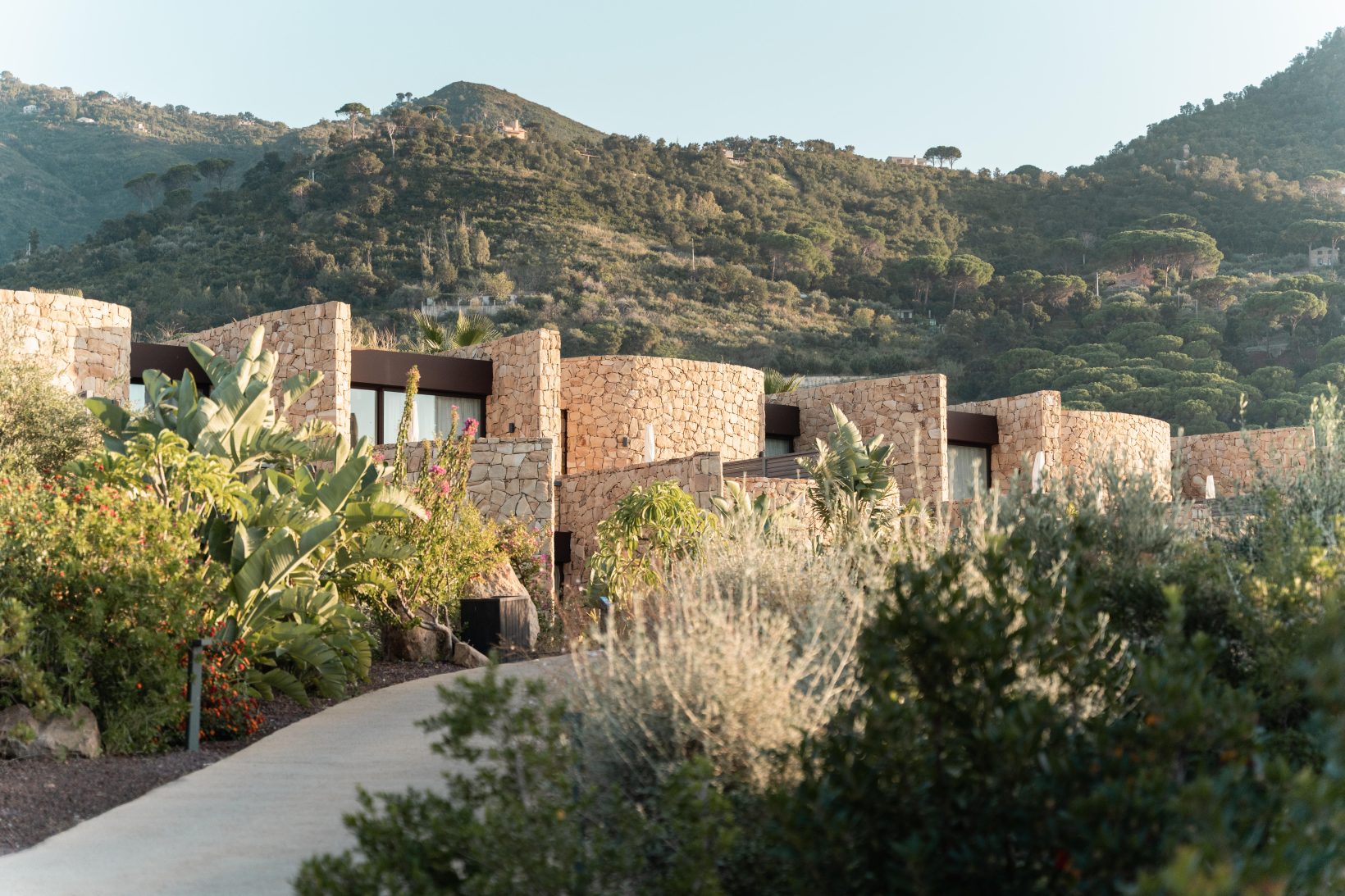
It took nearly twenty years for the French all-inclusive tourism brand to complete its climb upmarket, gradually shedding its popular image as a chain of holiday villages. Today, the “Exclusive Collection,” its luxury offer, already accounts for 20% of the group’s turnover. We report from Cefalù in Sicily, a flagship resort of this collection in the Mediterranean.