2026 Luxury Forecasts: Is Moderate Growth of 3% to 5% Realistic?

Although the global luxury industry contracted by 2% to €358 billion in 2025, and despite the loss of nearly 20 million consumers in the same year, the latest Bain-Altagamma report remains optimistic, with expected growth of 3% to 5% in 2026. What are the signs that support or undermine this forecast? Our in-depth analysis.

5%
Estimated rate of erosion of the luxury market in 2025
€108 Bn
Total sales in the personnal luxury items sector in Europe in 2025
1.2%
Expected European GDP growth in 2026, according to Mastercard Economics Institute
In 2025, the luxury industry lost nearly 20 million consumers, bringing the global active customer base to 330 million, according to the latest Bain-Altagamma report, Finding a New Longevity for Luxury, compared to 400 million three years earlier. In 2026, will this erosion (estimated at 5% in 2025) continue?
Economic Dynamics in Latin America and China On Alert in Light of Geopolitical Contexts

Clearly, in 2026, it will be essential for the luxury sector to do everything possible to regain consumer confidence, as the contraction of the customer base continued in 2025. According to the Bain report, 70% of consumers are unsatisfied with their current in-store experience, and 90% believe that the customer experience is similar from one brand to another. Quality and creativity must take precedence over the race for profit that the luxury sector has been engaged in for the past five years. Reducing production, focusing on high-end craftsmanship, rediscovering singularity in brand identity, and maintaining reasonable pricing are the principles that will enable the sector to grow sustainably in 2026.
The highly tense geopolitical context at the beginning of 2026, notably with the Trump administration's interventionist policy in Latin America, particularly in Venezuela, does not currently support this optimism. Latin America is indeed one of the regions that has maintained its level of spending on luxury goods, especially Mexico, driven by dynamic trade with the United States and the phenomenon of nearshoring, which has helped raise living standards, particularly in Monterrey, where Tesla has announced plans to open a gigafactory with an investment of $6 billion. The United States' interventionist policy could temporarily destabilize the region and freeze the opening of new luxury stores locally.
Newsletters
Cet article vous plaît ?
Inscrivez-vous à nos newsletters pour recevoir les dernières publications et analyses selon nos 4 thématiques:
Another crucial geopolitical issue is China's intentions towards Taiwan, which could also be encouraged by this openly interventionist global phenomenon and reinforce Chinese customers' caution in terms of spending in 2026. According to Bain, mainland China experienced a significant slowdown in 2025, although less sharp than in 2024. The luxury market declined by approximately 6% to 8% at current exchange rates compared to 2024 and accounted for €42.96 billion (12% of €358 billion) in sales in 2025. However, Chinese consumption of luxury goods is also shifting to domestic brands, such as jeweler Laopu Gold Co, which are increasingly favored by customers, encouraged by a growing sense of national pride, but also attracted by their better value for money and stronger cultural identity. According to the Wealth Briefing report, 56% of consumers in mainland China planned to buy more Chinese brands in 2025.
However, the Chinese government continues to support domestic consumption and is intensifying its investment in R&D to promote technological self-sufficiency. In this regard, China's dynamism in artificial intelligence, aerospace, renewable energy, and quantum technologies has been rewarded with increased international investment and rising valuations of listed Chinese companies, according to an article in the Global Times.
Europe and the United States Remain Leaders

The leading markets for luxury goods in 2025 remained Europe and the Americas. Europe remains in first place with total sales of €108 billion in 2025, down 1% to 3% at real exchange rates, followed by the Americas with €101 billion, stable or up slightly between 0% and 3% at real exchange rates. On this continent, it is interesting to note that, according to data from Pyxis by Bain & Company, the number of American luxury consumers declined, purchase frequency remained stable, and average order value increased. Another notable point is that accessible luxury brands have thrived, a general trend observed worldwide. Another determining factor is the weakness of the dollar, which has made it more attractive for American consumers to purchase certain luxury products on the domestic market. Here too, renewed pride in buying national products played a role. For example, Ralph Lauren reported sales growth of +8% in 2025, with total revenues reaching approximately $7.1 billion for the full year, exceeding its initial forecast of 6–7% growth. As for Coach, the Tapestry group's main brand, it was the main driver of growth, with sales up around 10% in 2025. Tapestry reported record results for fiscal year 2025, with total sales of nearly $7 billion, up around 5% compared to 2024.
Pour continuer à lire cet article, abonnez-vous maintenant
CHF 10.- par mois / CHF 99.- par année
- Accès illimité à tous les contenus payants
- Des analyses approfondies sur l'industrie du luxe que vous ne trouverez nulle part ailleurs.
- Des études et rapports sur les principaux défis à venir ainsi que leur décryptage.
- Des articles académiques élaborés par des professeurs et des doctorants membres du Swiss Center for Luxury Research, ainsi qu’un certain nombre d’universités à l’étranger.
- Des événements réservés aux membres pour enrichir vos connaissances et votre réseau.
Partager l'article
Continuez votre lecture
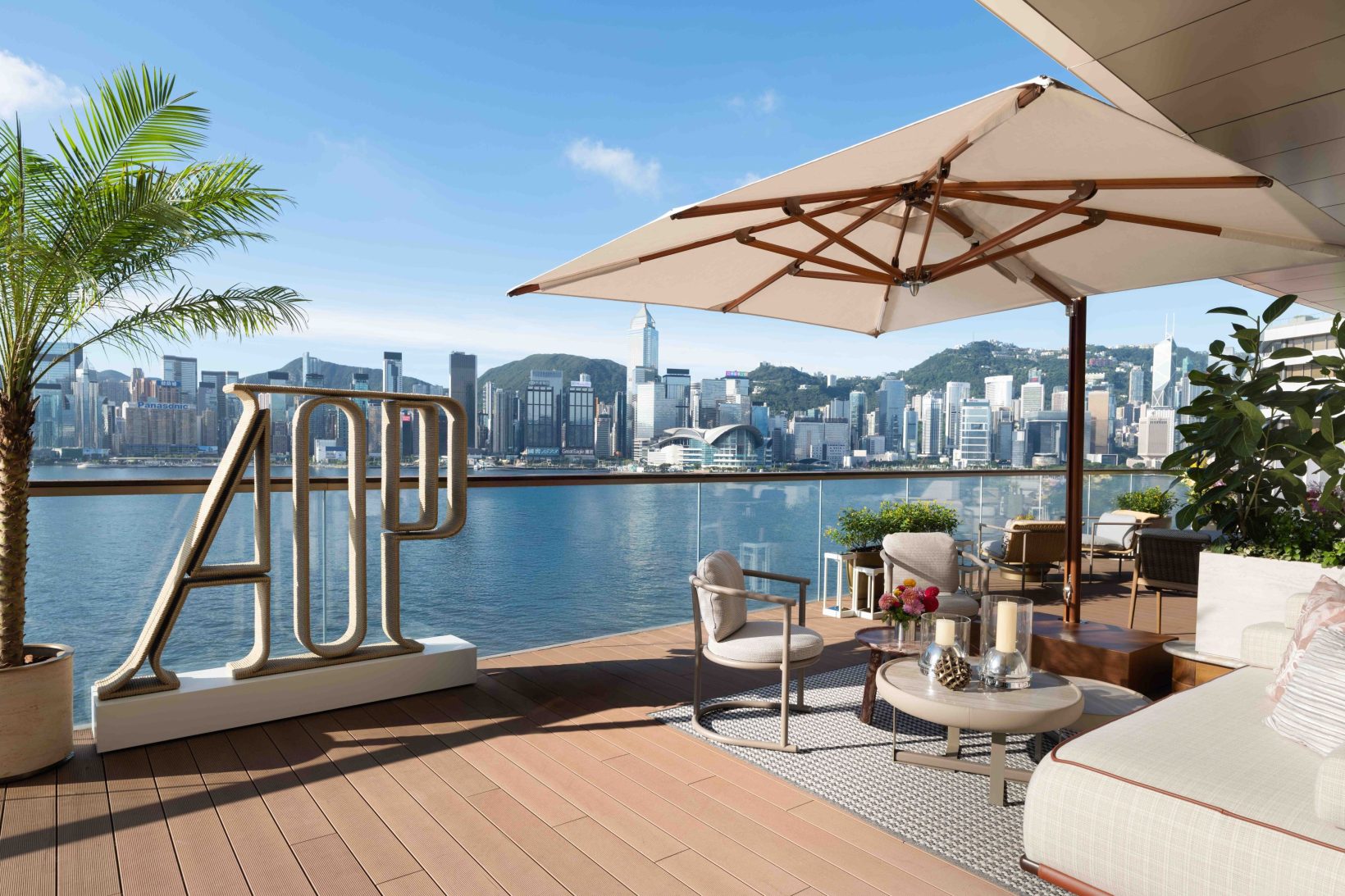
Hong Kong: Its Economy Grows and Becomes Attractive Again for Watchmaking
Hong Kong’s moderate economic growth and rising tourist numbers in 2025 signal the return of its attractiveness. While the watch industry remains cautious, the high-end segment is regaining momentum. Audemars Piguet chose to celebrate its 150th anniversary there last September.

Tourism Will Be Worth $16.5 Trillion In 2035
The WTTC (World Travel & Tourism Council) Global Summit chose Rome as the venue for its 25th edition, which ended on 30 September. One of the most influential events in the field of international tourism, it outlined the future of the sector, which is projected to be worth $16.5 trillion by 2035.
Newsletters
Cet article vous plaît ?
Inscrivez-vous à nos newsletters pour recevoir les dernières publications et analyses selon nos 4 thématiques: