
After Art Basel—which will open its very first Art Basel Qatar edition in February 2026 in Doha—it’s now Frieze’s turn, as it prepares to take over Abu Dhabi Art in November 2026. Competition promises to be fierce. At the risk of oversaturation?


In the meantime, all eyes will be on Doha in February next year. With 87 exhibitors, Art Basel Qatar will be a small-scale event compared to the 289 galleries that take over the halls in Basel every year. More importantly, under the artistic direction of Egyptian artist Wael Shawky, the fair will present curated exhibitions.
The growing activity in the Gulf reflects both the dynamism of the region's cultural landscape and the potential of its market
Noah Horowitz, CEO of Art Basel
Newsletters
Cet article vous plaît ?
Inscrivez-vous à nos newsletters pour recevoir les dernières publications et analyses selon nos 4 thématiques:
The Emirates and Qatar Are Spending Without Limits
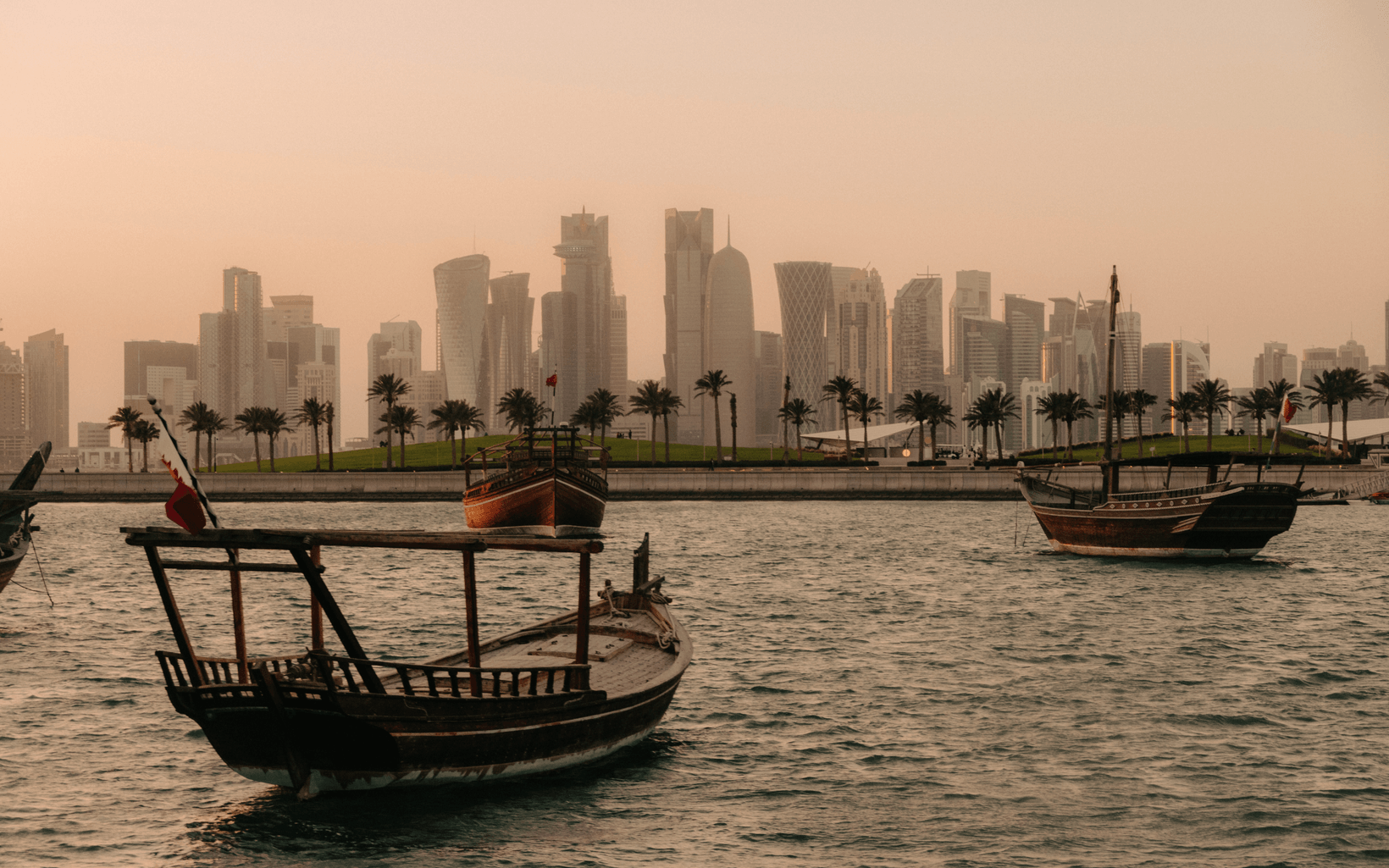
Qatar has launched its “2030 National Vision,” aimed at diversifying the economy and strengthening its role in high-value creative and cultural industries. As part of this effort, the government has just announced the construction of the region’s largest high-security storage and logistics hub dedicated to fine arts and design. This ambitious freeport will include conservation and storage facilities, a restoration workshop, private and shared viewing rooms, as well as bonded warehouses for the handling and transit of artworks. The project is being developed jointly by GWC (Q.P.S.C.), Qatar’s leading logistics and supply chain provider, and QC+, a group active in culture, hospitality, and tourism, which is also partnering with Art Basel Qatar alongside Qatar Sports Investments (QSI), active in sport, culture, entertainment, and lifestyle.
In Doha, we are responding to a vision and a country that has made long-term cultural investment an integral part of its national identity
Noah Horowitz, CEO of Art Basel
The Weight of Major Institutional Projects

For Simon Fox, CEO of Frieze, Abu Dhabi represents the region’s most compelling market, thanks to major institutional projects recently opened or underway on Saadiyat Island—particularly the long-delayed Guggenheim outpost, which is finally approaching completion. And although he acknowledges that corporate patronage in the UAE remains limited and the number of major private collections is still small, his confidence is unwavering. “We don’t need more purchasing power than what already exists,” he says. “It has been enough to sustain Abu Dhabi Art’s growth over the past seventeen years. We are committed to a long-term vision.”
We don't need any more purchasing power than we already have. It has been enough to sustain the growth of Abu Dhabi Art over the last seventeen years.
Simon Fox, CEO of Frieze

Frieze—already present in London, New York, Los Angeles, and Seoul—can build on a fair with nearly twenty years of history. That is not the case for Art Basel Qatar, which in Doha starts from a blank slate, though it can rely on the strength of Art Basel’s global network. “When we expanded to Miami Beach, Hong Kong, and Paris, we entered markets with already mature dynamics,” continues Noah Horowitz. “In Doha, we are responding to a vision and to a country that has made long-term cultural investment a fundamental aspect of its national identity. We are not duplicating our fairs: with Art Basel Qatar, we are co-creating something new with our partners—something that reflects the local ecosystem while connecting it to Art Basel’s international network. Qatar perfectly illustrates our role in the world: not as an exporter of a model, but as a collaborator in defining what an art fair can mean in a new cultural context.”
For both organizers, the Gulf is a bet. But in this game, there may ultimately be only one winner.
Partager l'article
Continuez votre lecture

Malaysia, A Strategic Hub For Luxury In 2026
Between private clubs in Kuala Lumpur, duty-free islands, and a local elite that continues to grow richer, Malaysia is charting its own course, discreetly and exactingly. Dior chose to hold the second chapter of its Diorexquis high jewelry presentation there this fall.
Art: The Era of Neo-Galleries Has Arrived
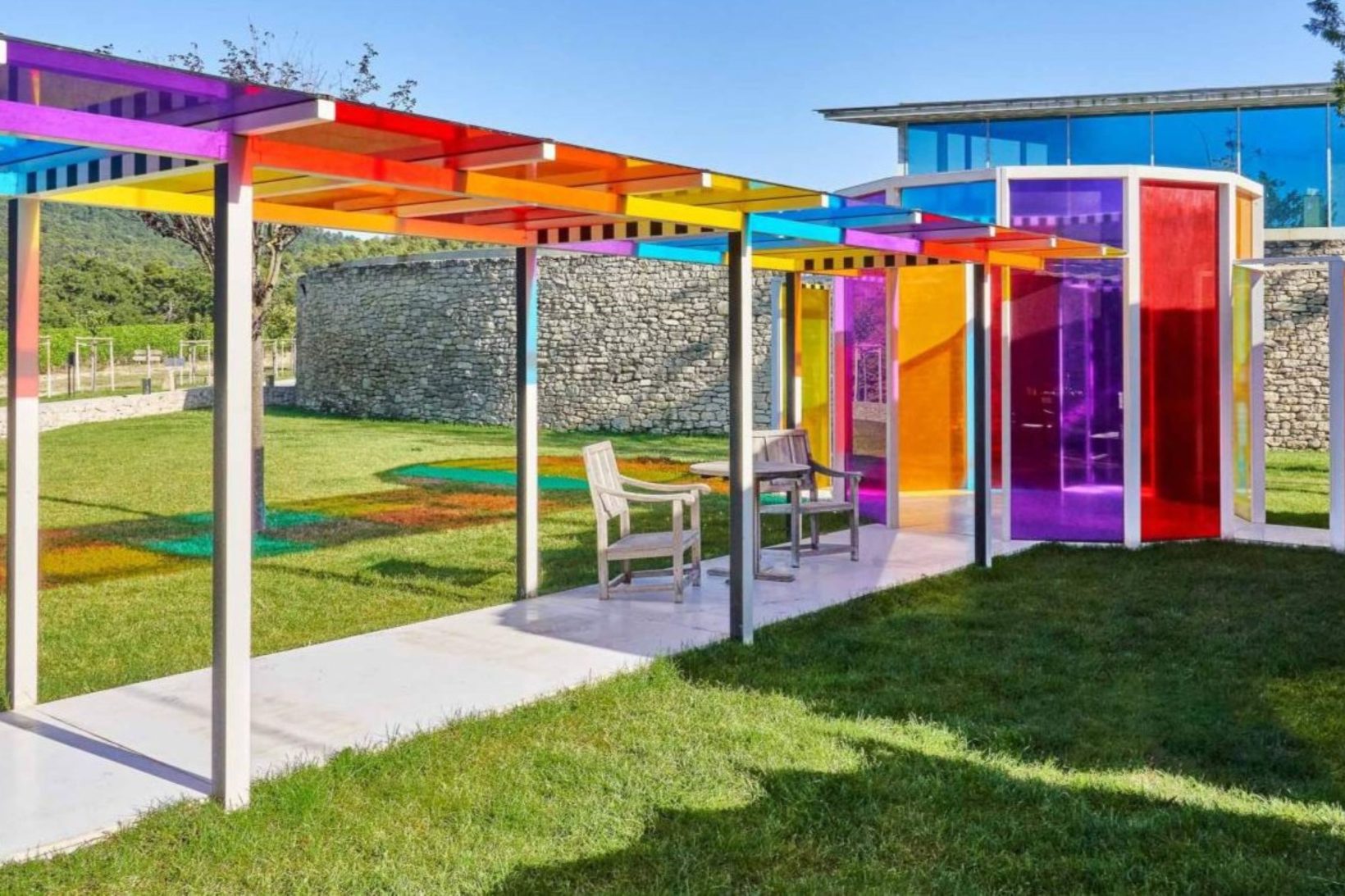
As the post-Covid art market undergoes upheaval, galleries are reinventing their models. The simple white cube is over: enter hybrid formats, blending arty guesthouses and sculpture gardens in castles.
Newsletters
Cet article vous plaît ?
Inscrivez-vous à nos newsletters pour recevoir les dernières publications et analyses selon nos 4 thématiques: