Watches
Watchmaking: The Second-hand Market Should Overtake The New Market Within 10 Years, According to Deloitte

By Justine Offredi16 janvier 2025
After peaking in 2022 and then falling by 16.4% at the end of the pandemic period, prices on the second-hand watch market have stabilized over the past 12 months, according to a study published by Deloitte on Thursday, 16 January. Now on the rise again, it could rival the primary market within 10 years.
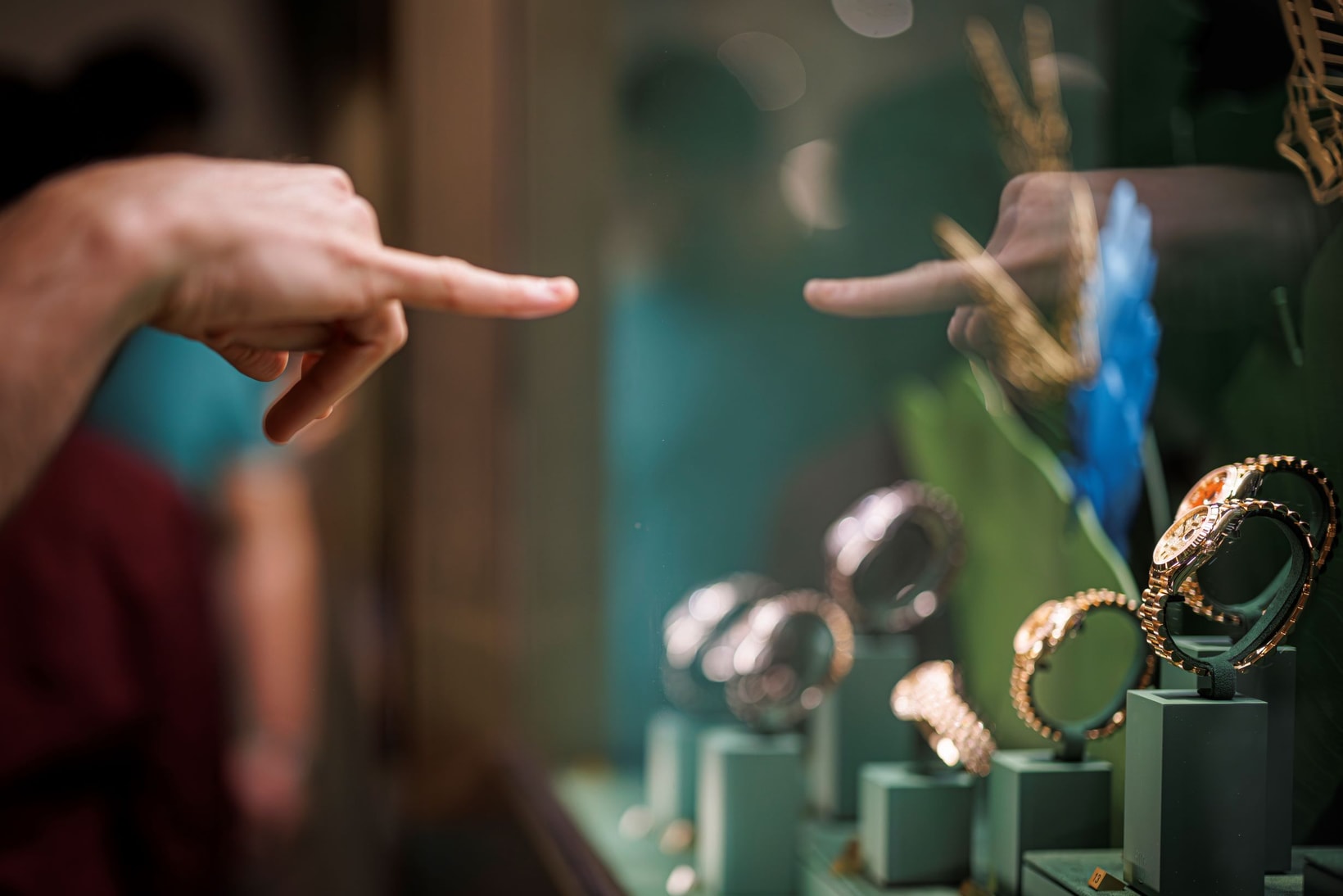
Over the past five years, the market for second-hand luxury watches has soared, driven mainly by online sales. According to Deloitte's Swiss Watch Industry Insights 2024 study, prices rose to their peak in March 2022, then fell by 16.4% over two years before stabilizing in 2024 at a level well above that of 2020.
Although the market has normalized, it is still growing faster than the primary market. A Deloitte survey reveals that a fifth of consumers plan to buy a second-hand watch in 2024, a proportion that has doubled since 2020. The growth of digital platforms, online auctions, and specialized sales outlets reinforces this trend. Buyers' main motivations remain unchanged: a more affordable price than on the primary market (44%), access to rare or out-of-production models (31%), and immediate availability of products (23%).
Auction sales are another indication of how the second-hand market is evolving. The Geneva auctions in October and November 2024 generated total sales of $114.19 million, an increase of 26.7% from the previous year. The New York sales in June 2024 totaled $52.27 million, an increase of 9.8% from the prior year.
Market transformation
This trend towards second-hand watches is fuelled mainly by the younger generation: in 2024, 38% of Generation Z (born between 1997 and 2012) would be likely to buy a second-hand watch in the next 12 months, compared with just 17% of Baby Boomers (born before 1964). This young generation is mainly attracted by value for money (54%), design (51%) and brand image (41%).
In addition, new players are emerging: ‘flippers’ - young investors who are adept at digital technology - and celebrities from the world of sport and entertainment. For example, Cristiano Ronaldo and Charles Leclerc have invested in the German company Chrono24, one of the biggest marketplaces specializing in second-hand luxury watches. In the United States, Michael Jordan and Giannis Antetokounmpo invested in 2021 in The 1916 Company (formerly WatchBox), a global platform dedicated to buying, selling, and exchanging luxury watches, while artists such as John Legend, J Balvin, and Steve Aoki partnered with Bezel, a US luxury watch platform.
While others have gone bust, the number of new online players has grown considerably overall. One of the key factors in this success has been the evolution of the certified watch market (CPO). The issue of trust has become fundamental for consumers, requiring guarantees and certification reinforced by blockchain. CPO (Certified Pre-Owned) watches, sold at a higher price, meet specific quality and functionality standards and generally come with a guarantee.
The rise of neo-vintage and classic watches
The second-hand watch market is divided into three categories: vintage (before 1990), neo-vintage (1990 to 2004), and modern (after 2005). Neo-vintage is enjoying spectacular growth, with sales up 123% since 2023, eclipsing modern models. High-quality neo-vintage timepieces are increasingly considered, while classic watches, with traditional complications such as perpetual calendars or minute repeaters, are regaining popularity.
Another growing trend is the rise of independent watchmakers renowned for their expertise and bespoke design, whose production never exceeds small runs. Brands such as J.P Journe, Akrivia de Rexhep Rexhepi, and De Bethune now rival the industry giants. Buyers no longer focus solely on iconic watches from Rolex or Patek Philippe; now watches from Andersen Genève, Jürgensen, Philippe Dufour, Roger W. Smith, MB&F, and Greubel Forsey - particularly early Greubel Forsey models - are gaining ground in the collecting community.
Partager l'article
Continuez votre lecture

Travel & Gastronomy
Four Seasons To Manage The Park Gstaad, In Switzerland
On Tuesday, luxury hotel group Four Seasons announced that it will take over operation of The Park Gstaad in the famous Swiss Alpine resort. It will reopen for the 2026-2027 winter season under the name The Park Gstaad, A Four Seasons Hotel.
Luxury Figures
Brunello Cucinelli Posts New Performance Records
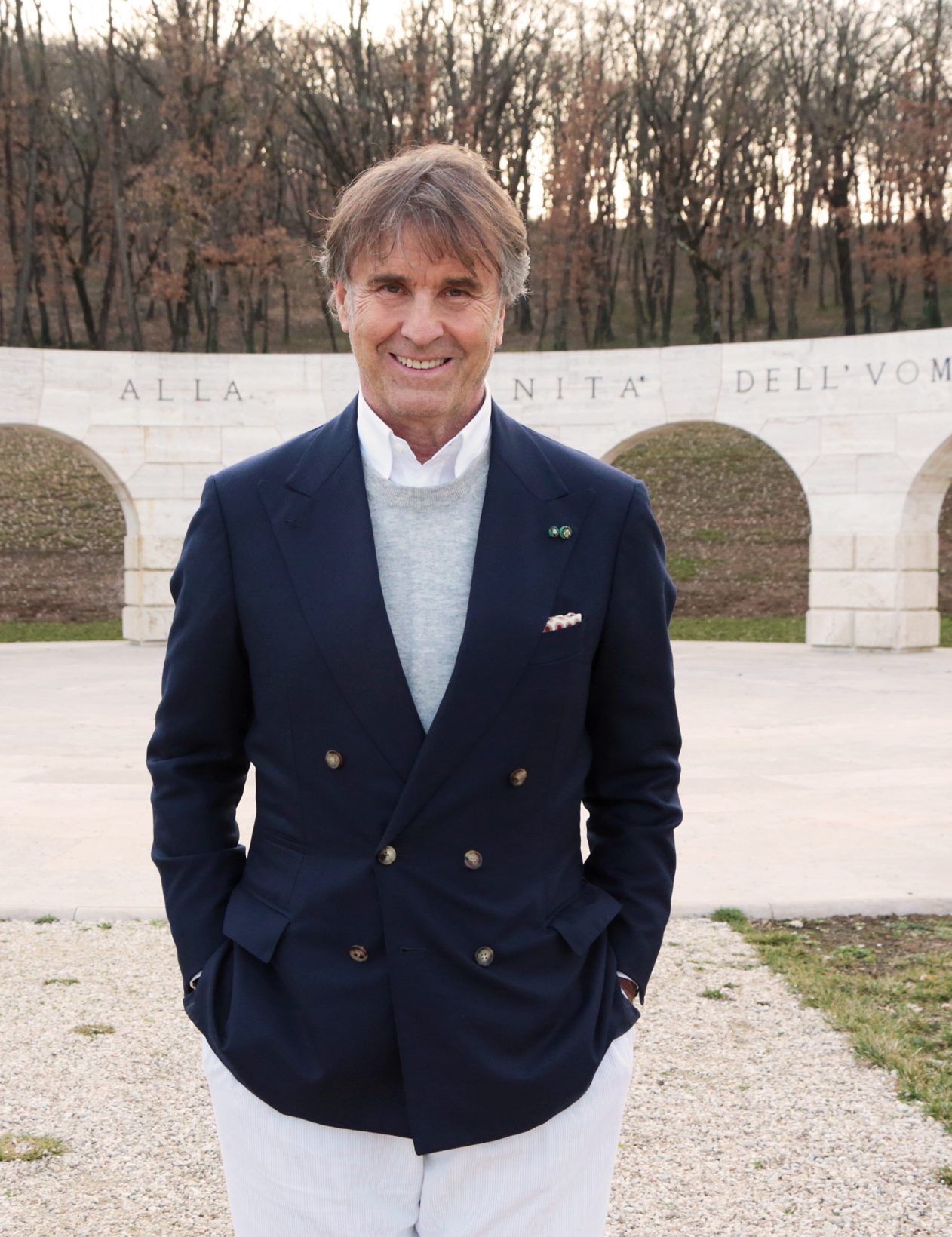
Despite a challenging economic climate destabilising the luxury goods sector, Brunello Cucinelli is posting impressive performances. With a 12% increase in sales in 2024 and solid growth prospects, the Italian king of cashmere has confirmed its status as a benchmark in the sector.
By Eva Morletto
Newsletters
Cet article vous plaît ?
Inscrivez-vous à nos newsletters pour recevoir les dernières publications et analyses selon nos 4 thématiques: