The Microbiome: At the Heart of Strategic Innovation for Beauty Giants

The microbiome—the ecosystem of microorganisms living on the skin and in the gut—has become an inexhaustible source of innovation for major beauty and even fashion groups. Among them, Shiseido, L’Oréal, and Coperni are all harnessing its potential.
A Growing Dermocosmetics Sector
With Gallinée, we were the first to capitalize on bacteria and the microbiome
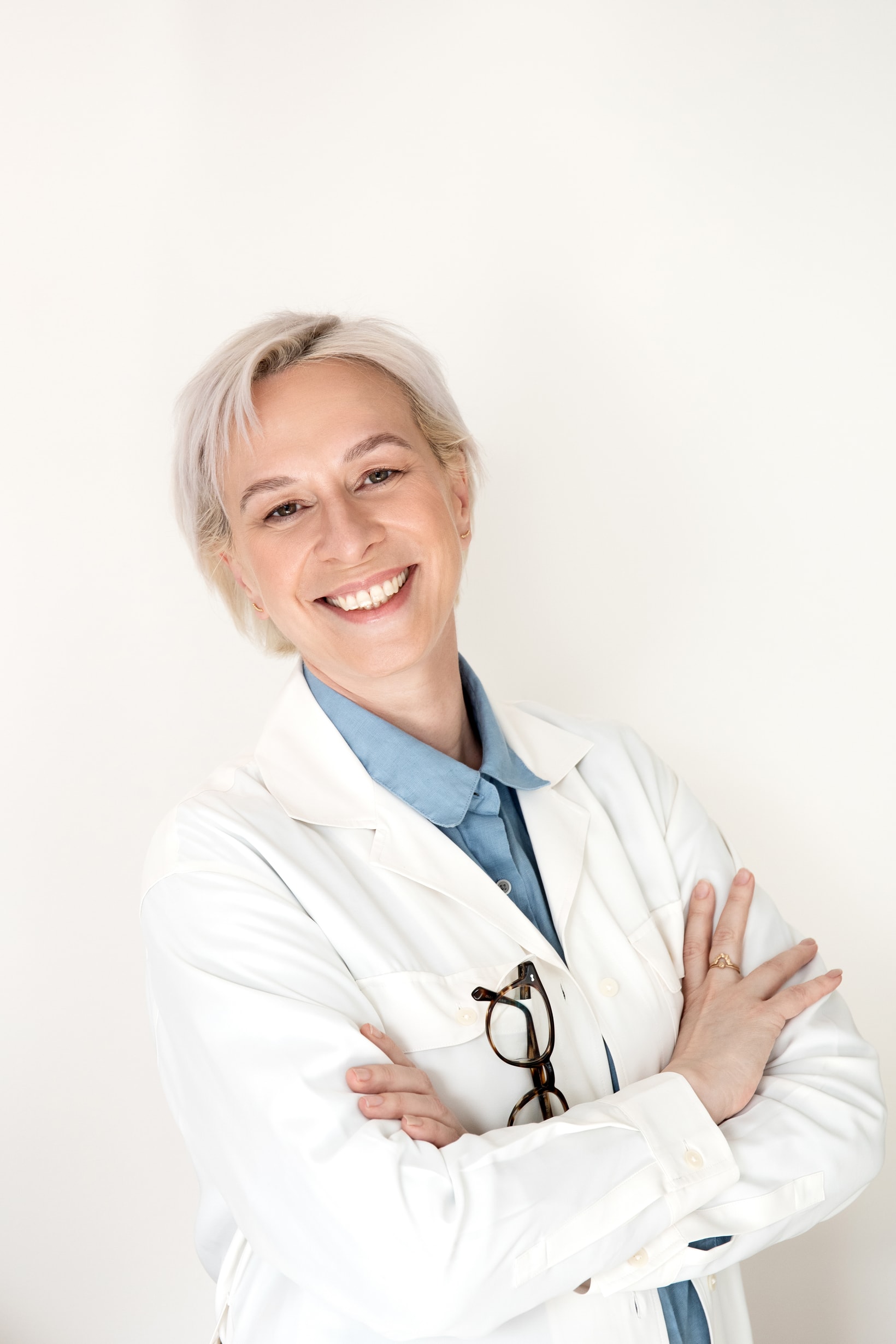
Dr Marie Drago, founder of Gallinée
A pioneer in the field of the skin microbiome, Doctor of Pharmacy Marie Drago founded the brand Gallinée ten years ago—now owned by Japanese group Shiseido. She recounts: “Gallinée was the first to capitalize on bacteria and the microbiome. At the time, nobody really understood what it was. We managed to develop intellectual property from our research, which is quite rare for an independent brand. Being pioneers and invited to all major scientific conferences in the field has allowed us to maintain a significant lead in research. Like L’Oréal or Unilever, I have access to all the new ideas emerging on the microbiome, and my marketing and product development skills allow me to move fast. Gallinée is a small brand, which gives us great flexibility.”
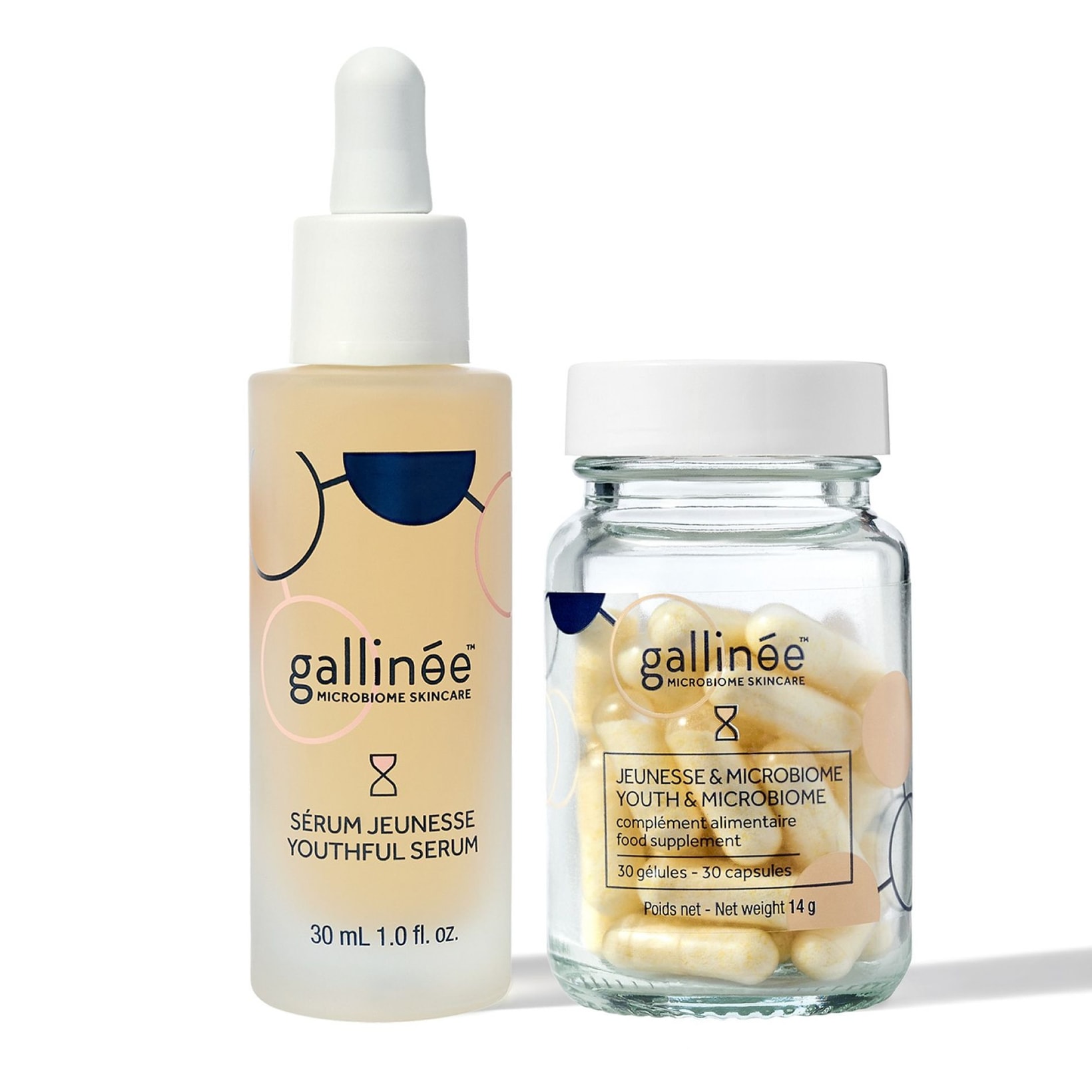
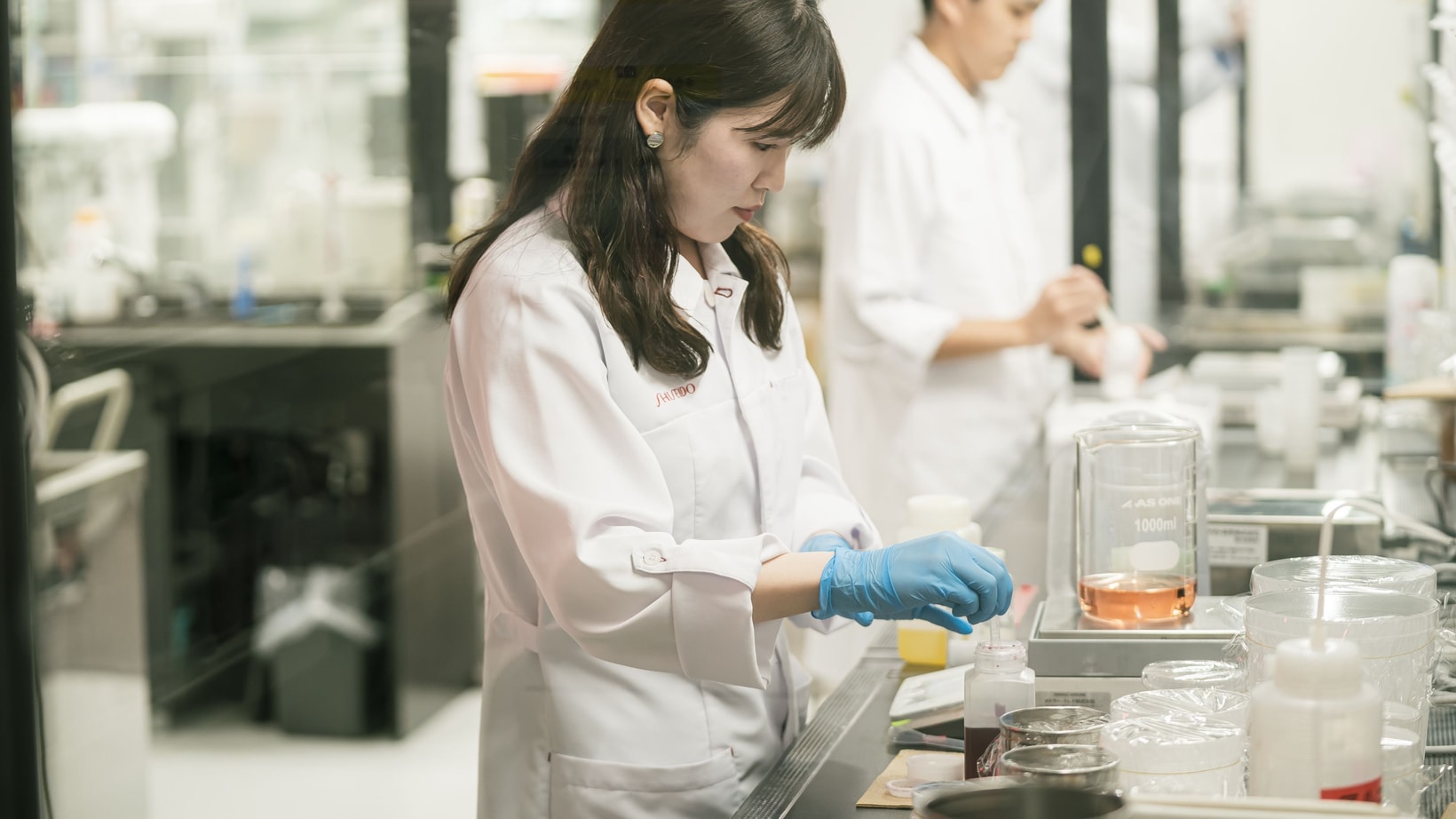
That agility is precisely what appeals to Shiseido, which now benefits from the brand's strong research dynamic. Today Gallinée’s Creative Director, Marie Drago adds: “Shiseido aims to develop its pharma-beauty division, which is thriving, but they are also very interested in the intellectual property aspect. My patents are now part of the group, and Shiseido has begun developing products based on my innovations. For us, having access to an exceptional research ecosystem is invaluable. When I visited Shiseido’s Yokohama lab, I saw 900 researchers working inside an ultra-modern building. It was fascinating.”
Newsletters
Cet article vous plaît ?
Inscrivez-vous à nos newsletters pour recevoir les dernières publications et analyses selon nos 4 thématiques:
Shiseido’s acquisition of Gallinée in 2022 illustrates the industry’s appetite for the field. “The microbiome is a young science, but it is progressing quickly,” says Drago. “Ten years ago, acne bacteria were considered harmful. Today, we know they can produce anti-aging and anti-inflammatory molecules.”

L’Oréal, the world’s number-one beauty company, is also investing heavily in microbiome research. It has even declared the topic strategic: “We are at the dawn of a ‘new-generation’ cosmetics that will use the skin microbiome to deliver new levels of product performance.” For the group, mastering the composition of the skin’s ecosystem could help prevent many known skin disorders, including eczema—and even delay certain signs of aging.
Nutrition is a real science, and prebiotics and probiotics have measurable results
Dr Marie Drago, founder of Gallinée
Clothing That Cares for the Skin
I think the future of beauty will not necessarily be limited to creams [...] anything that touches the skin has the potential to become a beauty ritual
Dr Marie Drago, founder of Gallinée

This was made possible through its collaboration with Swiss company HeiQ. A spin-off from ETH Zurich founded in 2005, HeiQ is a major global creator of intellectual property known for innovations in materials and textiles. It developed HeiQ Skin Care, a cosmetic bio-technology for textiles that helps restore the skin’s natural balance through active probiotics. For Marie Drago, this is a genuinely promising path: “I don’t think the future of beauty will lie solely in creams. For example, probiotic clothing is extremely interesting. They withstand 40 washes and still contain probiotics. To me, anything that touches the skin has the potential to become a beauty gesture. This opens new categories in cosmetics.”
Supplements and Custom Cosmetics: Rising Businesses

Could understanding one’s microbiome be the ultimate holy grail for personalized cosmetics? At L’Oréal, it seems to be a serious direction. Luc Aguilar, the group’s Director of Clinical and Biological Research, explains: “Every microbiome is unique, opening the door to individualized skincare routines. Studying it could reinvent cosmetics through greater personalization, giving consumers exactly what they need based on the living ecosystem on their skin.”
When asked the same question, Drago offers a more tempered view: “No, not really. I’m an industrialist, and from that perspective, developing personalization at scale doesn’t seem very realistic. The holy grails lie elsewhere. I would love to develop sunscreens based on microbiome principles, because a healthy microbiome protects against UV. Last year, thanks to Shiseido, we launched innovation challenges to explore how bacteria resist UV—what proteins, what lipids—and how to move beyond the mineral vs. chemical sunscreen debate toward a third option: a biological sunscreen. That is my holy grail, and I’ve dreamed of it for ten years. Now I’m waiting for both science and regulation to advance. In Europe, regulations are extremely strict. Registering a new sunscreen filter takes fifteen years.”
Partager l'article
Continuez votre lecture
LVMH bets on AI to revolutionize anti-aging cosmetics
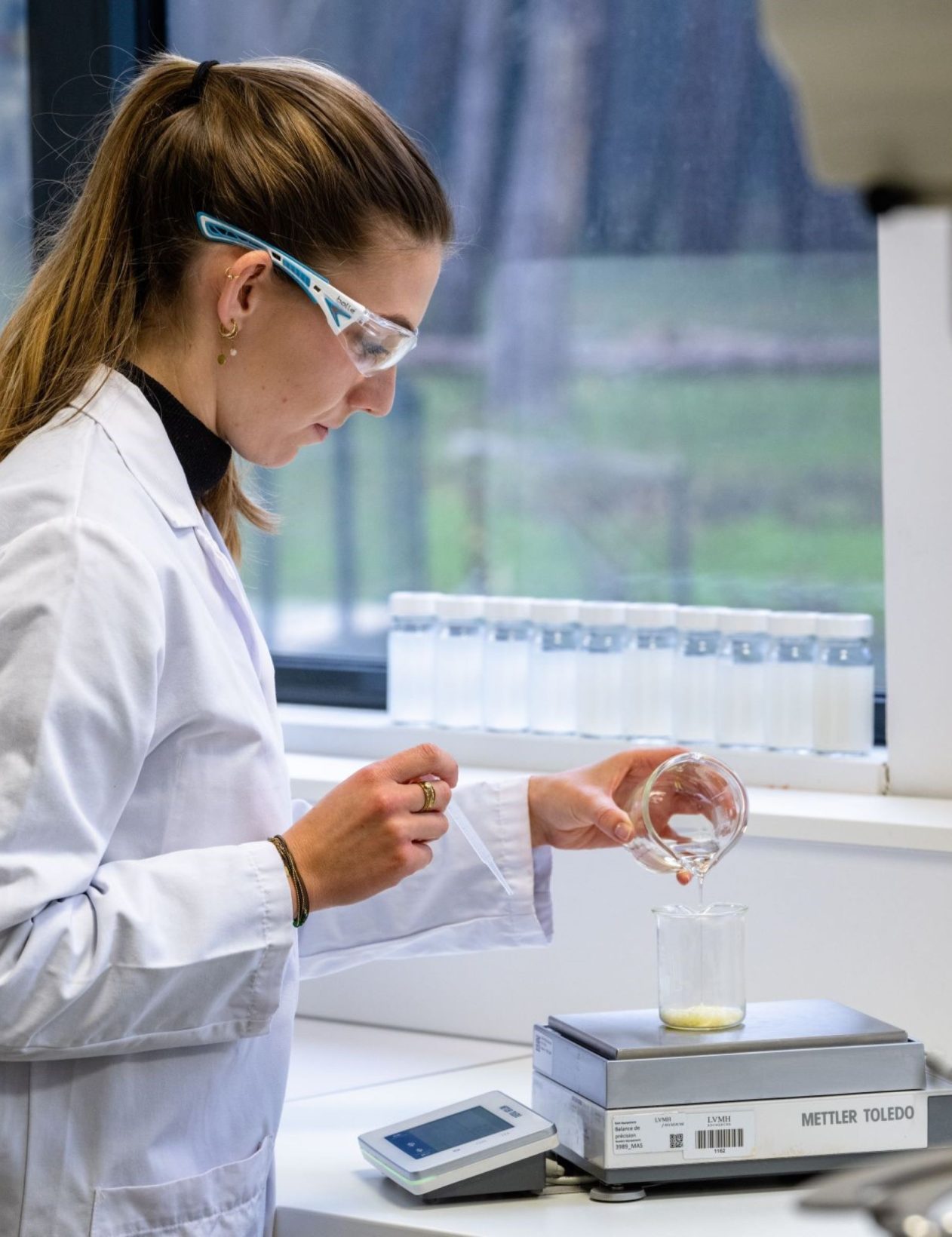
On Tuesday, 10 December, Californian biotech company Integrated Biosciences announced signing a strategic, multi-year research partnership with LVMH Recherche, the luxury giant’s research and innovation arm.
By Eva Morletto
VivaTech 2025: Luxury Brands are Betting on “Quiet Tech”
The 2025 edition of the VivaTech trade show, which will take place in Paris from June 11 to 14, 2025, will welcome 14,000 startups, 1,000 more than last year, and 400 additional partners to the event. This year, tourism joins the 30 industries represented, and major luxury brands, including LVMH, will present their latest technological innovations, particularly those designed to enhance the customer experience.
By Eva Morletto
Newsletters
Cet article vous plaît ?
Inscrivez-vous à nos newsletters pour recevoir les dernières publications et analyses selon nos 4 thématiques: