Opening of The Dib Bangkok Museum: A Platform For Contemporary Art in Southeast Asia

By Eva Morletto18 décembre 2025
On 21 December, Bangkok is set to take a decisive step forward with the inauguration of the Dib Bangkok Museum, a new institution dedicated to promoting Thai and regional contemporary art on the world stage.

21st December
Opening of the Dib Bangkok Museum
16,000 m²
Area of the museum and its grounds
$50,000 to $1M
Range within which most art purchases are concentrated
Housed in an industrial warehouse from the 1980s in the Rama IV Khlong Toei district, the building has been transformed by WHY Architecture (led by Kulapat Yantrasast, the eccentric star architect and former student of Tadao Ando) into a minimalist but powerful space. Spread over three floors, the museum will offer nearly 7,000 m² of exhibition space divided into eleven galleries, a sculpture garden, a central courtyard of some 1,400 m², as well as a café-restaurant and a terrace; the whole complex will occupy an area of 16,000 m². One of the most striking architectural features is undoubtedly the space known as La Chapelle, which has a truncated cone-shaped volume, bathed in light from a skylight with unique acoustics and designed to generate a contemplative Zen experience.
Newsletters
Cet article vous plaît ?
Inscrivez-vous à nos newsletters pour recevoir les dernières publications et analyses selon nos 4 thématiques:

The opening on 21 December represents a turning point for Thailand. Until now, despite venues such as the Bangkok Art and Culture Centre (BACC) and the Museum of Contemporary Art (MOCA), no institution has offered a permanent collection of international stature. The Dib Bangkok Museum therefore establishes an institutional anchor for the local and regional scene, a place of influence for Thai artists and a strong signal to collectors around the world.
A Booming and Constantly Expanding Market

Fairs play a key role in this evolution: one example is the S.E.A. Focus fair in Singapore, which is held annually and is an important showcase for galleries and artists from across Southeast Asia. The region hosts other important events, such as the annual Art Jakarta fair in Indonesia and the Affordable Art Fair in Singapore, the next edition of which will take place in March 2026.

These events help to strengthen the ecosystem, build bridges between collectors, galleries and institutions, and promote a local scene that is often under-represented in major international auction houses.
Across the region, more and more talented artists are emerging and making a significant contribution to the richness and diversity of contemporary art. Among the most recognised artists are Malaysian Yee I-Lann, whose work in photography, collage and weaving explores issues of postcolonial power, memory and identity, and Vietnamese artist Lê Hien Minh, who works with traditional dó paper to create poetic sculptural installations dealing with trauma, the sacred and the social.

In Vietnam, painter Lim Khim Katy is known for her imaginary landscapes, which are highly prized by collectors in the region. Another artist highly sought after by buyers at Sotheby's (among others) is Singaporean painter Ong Kim Seng, renowned for his naturalistic watercolours. Among the regional artists soon to be exhibited at the Dib in Bangkok, whose works come from the collection of industrialist and patron Osathanugrah, are Montien Boonma, a brilliant Thai sculptor – one of the most important of his generation – who died prematurely in 2000, as well as Rirkrit Tiravanija, whose work and installations straddle the boundary between contemporary art and the digital world, and the young performance artist Kawita Vatanajyankur, whose highly committed art highlights the paradoxes and absurdities of our society.
Collectors and Purchasing Power

In Singapore, various art patrons invest in both local and international art, using structures such as the National Arts Council to develop their collections.
It is difficult to obtain precise figures on the specific share of S.E.A. Contemporary Art in the global art market, but certain trends are clear: the number of Southeast Asian contemporary art lots at international auctions has increased significantly in recent years and, according to Artprice reports, the Asian contemporary market continues to grow in diversity. Not only paintings and sculptures, but also digital works, editions and installations.
According to MyArtBroker, by 2025, buyers in Asia will now favour artistic quality, provenance and the artist's career over pure speculation.
The arrival of the Dib Bangkok Museum at this dynamic moment could bring about significant changes in the Asian market for several reasons: the museum can raise the profile of local artists, boost their visibility and place them in a global context, which could increase their market value. The semi-permanent collection of over 1,000 works allows for renewed exhibitions and loans, strengthening the museum's international reputation, but also the value of the works it houses. However, this trend must be qualified, because although the S.E.A. scene is experiencing real growth, it remains more fragmented than traditional markets such as Hong Kong, New York or London. Furthermore, competition from other cities in the region, such as Singapore, Kuala Lumpur, Jakarta and Ho Chi Minh City, is fierce.
Despite these factors, which call for caution, the opening of the Dib Bangkok Museum in December 2025 remains a major and strategic event for the contemporary art market in Southeast Asia, one that should be watched closely.

Partager l'article
Continuez votre lecture
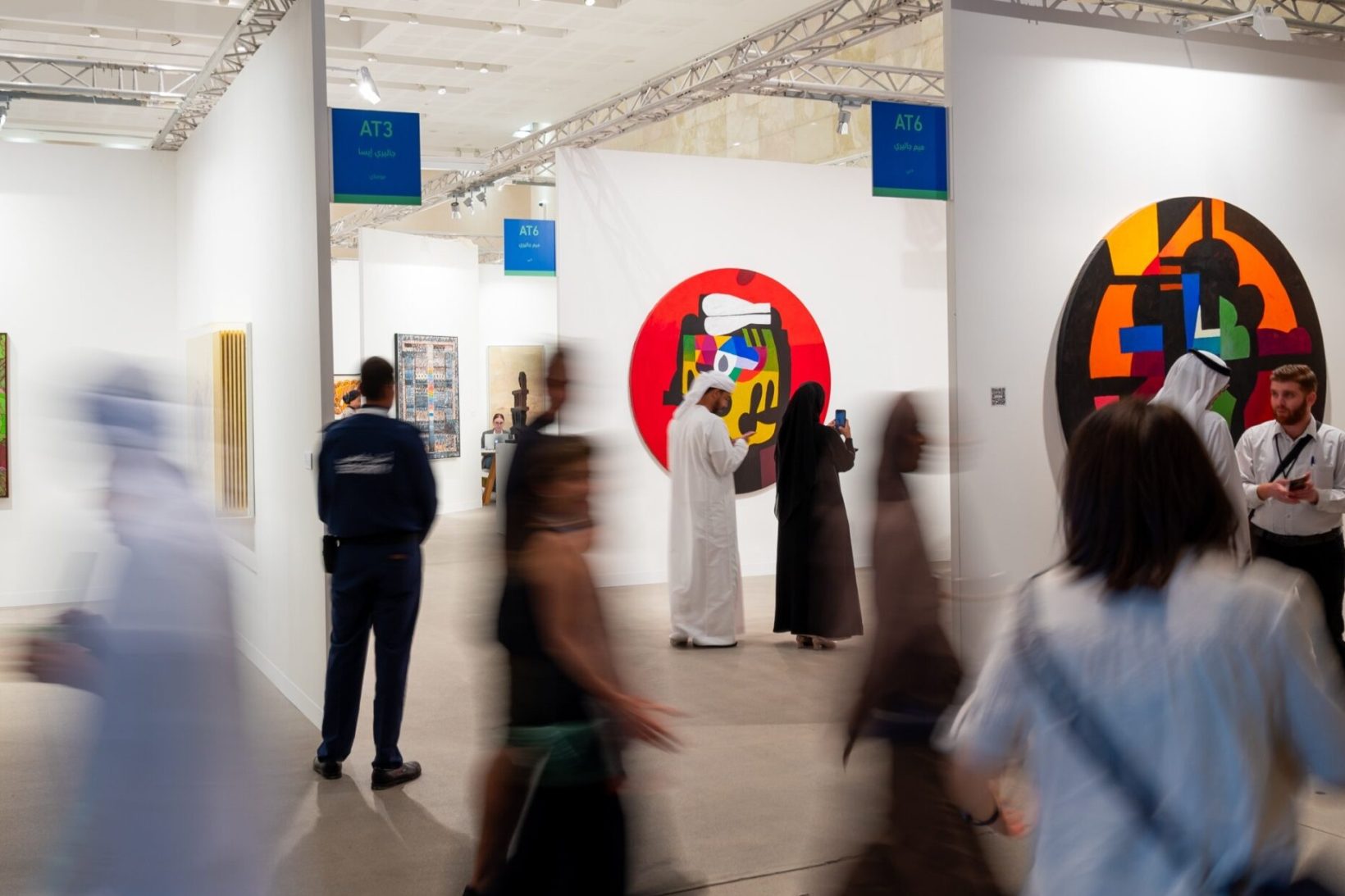
Gulf Countries: The Rush for Art
After Art Basel—which will open its very first Art Basel Qatar edition in February 2026 in Doha—it’s now Frieze’s turn, as it prepares to take over Abu Dhabi Art in November 2026. Competition promises to be fierce. At the risk of oversaturation?

Malaysia, A Strategic Hub For Luxury In 2026
Between private clubs in Kuala Lumpur, duty-free islands, and a local elite that continues to grow richer, Malaysia is charting its own course, discreetly and exactingly. Dior chose to hold the second chapter of its Diorexquis high jewelry presentation there this fall.
Newsletters
Cet article vous plaît ?
Inscrivez-vous à nos newsletters pour recevoir les dernières publications et analyses selon nos 4 thématiques: