Luxury Figures
Luxury eyewear market performs well in third quarter 2024
Considered as an accessible entry to luxury for “aspirational” customers, this lucrative market continues to grow, despite the turbulence facing the industry this year. In the third quarter of 2024, the market continued to flourish, supported by strong demand in international markets, including Asia. EssilorLuxottica, Kering Eyewear, LVMH via Thélios and Marcolin stand out as the main players in this market.
EssilorLuxottica, formed from the 2018 fusion of Italy's Luxottica and France's Essilor, continues to dominate the luxury eyewear market with iconic brands such as Ray-Ban and Oakley, as well as licensed brands like Armani, Burberry, Dolce & Gabbana and Prada. For the third quarter, the Group recorded growth of 4% at constant exchange rates, reaching sales of 6.347 billion euros. With an increase of 5% since the beginning of its fiscal year, revenues amounted to 19.272 billion euros, generated mainly by North America and the Europe, Middle East and Africa (EMEA) region.
China also stood out, thanks in particular to the exceptional performance of the Stellest range, an optical innovation dedicated to the correction of myopia in young people, which grew by 40%. Ray-Ban Meta connected models and Transitions Gen S lenses also contributed to the Group's growth. By 2026, EssilorLuxottica maintains its target of achieving revenues of between 27 and 28 billion euros, with profit margins expected to be between 19 and 20%.
For
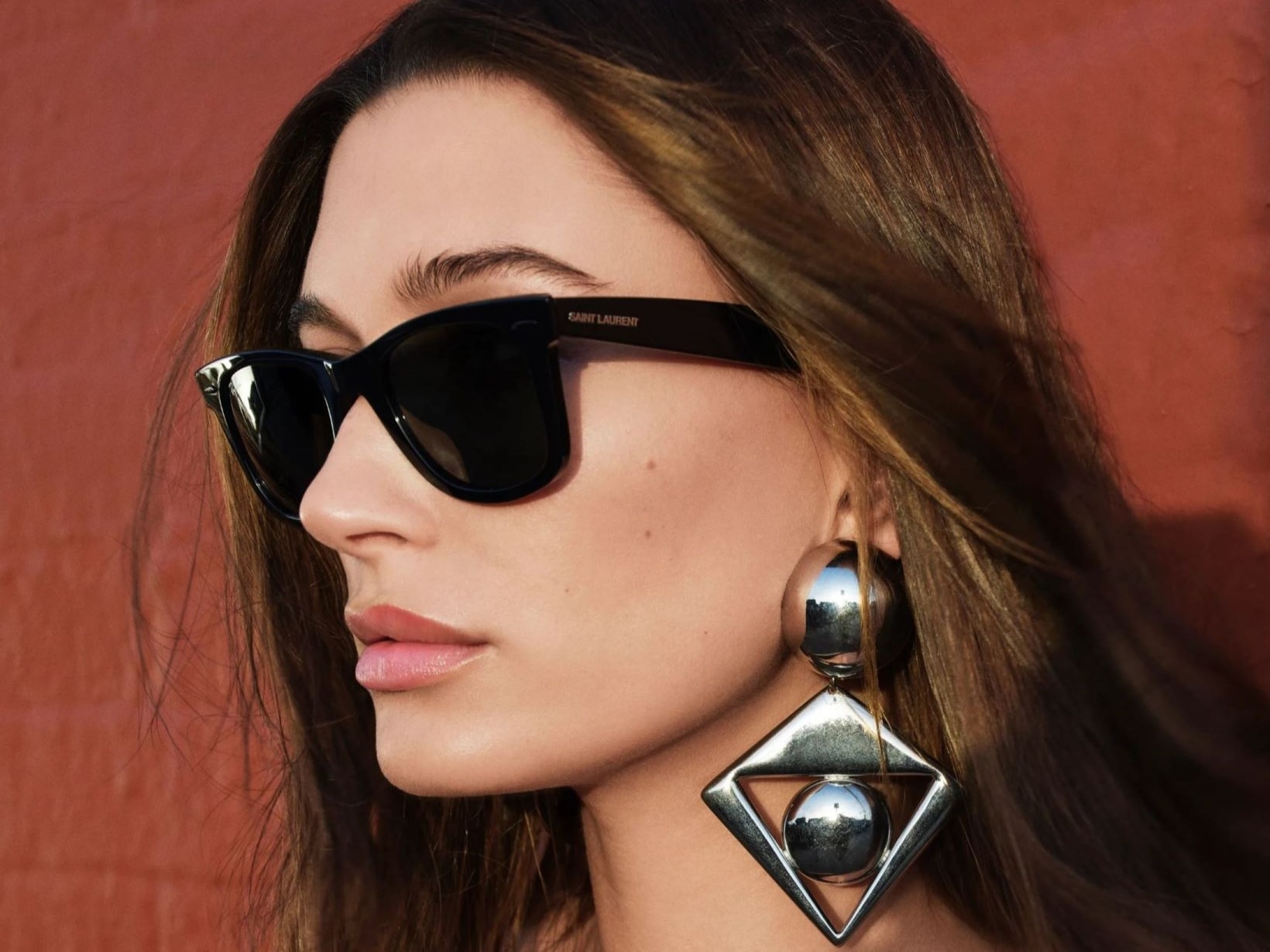
Kering, the eyewear division, which includes 14 luxury brands such as Gucci, Cartier, Saint Laurent and Bottega Veneta, recorded sales of 343 million euros in the third quarter of 2024, up 4% at constant exchange rates on the same period last year. In the first nine months of the year, the
Kering Eyewear & Corporate division (which also includes beauty) achieved sales of 1.5 billion euros, up 25%, representing an 11% share of total group revenues.
Kering thus benefits from the contribution of the Richemont Group's prestigious brands, in particular Cartier, with which it signed an agreement in 2017 for the development, manufacture and international marketing of these brands' eyewear. Richemont holds a 30% stake in Kering Eyewear as a minority shareholder.
Italy's Marcolin - licensee of the Tom Ford, Tod's, Emilio Pucci and Zegna brands - posted more modest third-quarter results. Although margins were up, sales of 408 million euros were down -2.8% at constant exchange rates on the same period last year. The Asian market contributed to the Group's margin growth over the first nine months of the year, while its main markets were EMEA and the Americas, with revenues of 202 million euros and 151 million euros respectively. Marcolin also finalized an exclusive agreement this year with Christian Louboutin, which will launch its first-ever eyewear business in 2025.
Overall, a number of innovations have proved conducive to market growth in recent months. Among them, Ray-Ban Meta Wearables connected glasses, a new edition of which will probably see the light of day, as part of
the extension of the agreement between EssilorLuxottica and Meta for the next ten years, announced last September. The growing popularity of Oakley eyewear, worn by over 2,000 athletes at the Paris 2024 Olympic Games, and limited editions such as the collaboration between Saint Laurent and Ray-Ban Wayfarer have also generated strong interest, particularly among Generation Z.
Although
LVMH doesn't reveal the figures for its Thélios subsidiary, there's no doubt that the Italian luxury eyewear manufacturer remains a key player in the market, grouping under its name licenses for Dior, Fendi, Celine, Givenchy, Bulgari and many other brands in the French luxury group's portfolio.