Watches & JewelleryPartenariat
Bronze: Telling Time Differently

Long considered humanity’s first strategic alloy, bronze has been enjoying a renaissance in recent years—as a material prized by watchmakers for the beauty of its nuances, its ability to develop a patina, and ultimately its capacity to tell time differently. Panerai is among the brands that have turned it into a true aesthetic signature since 2011.
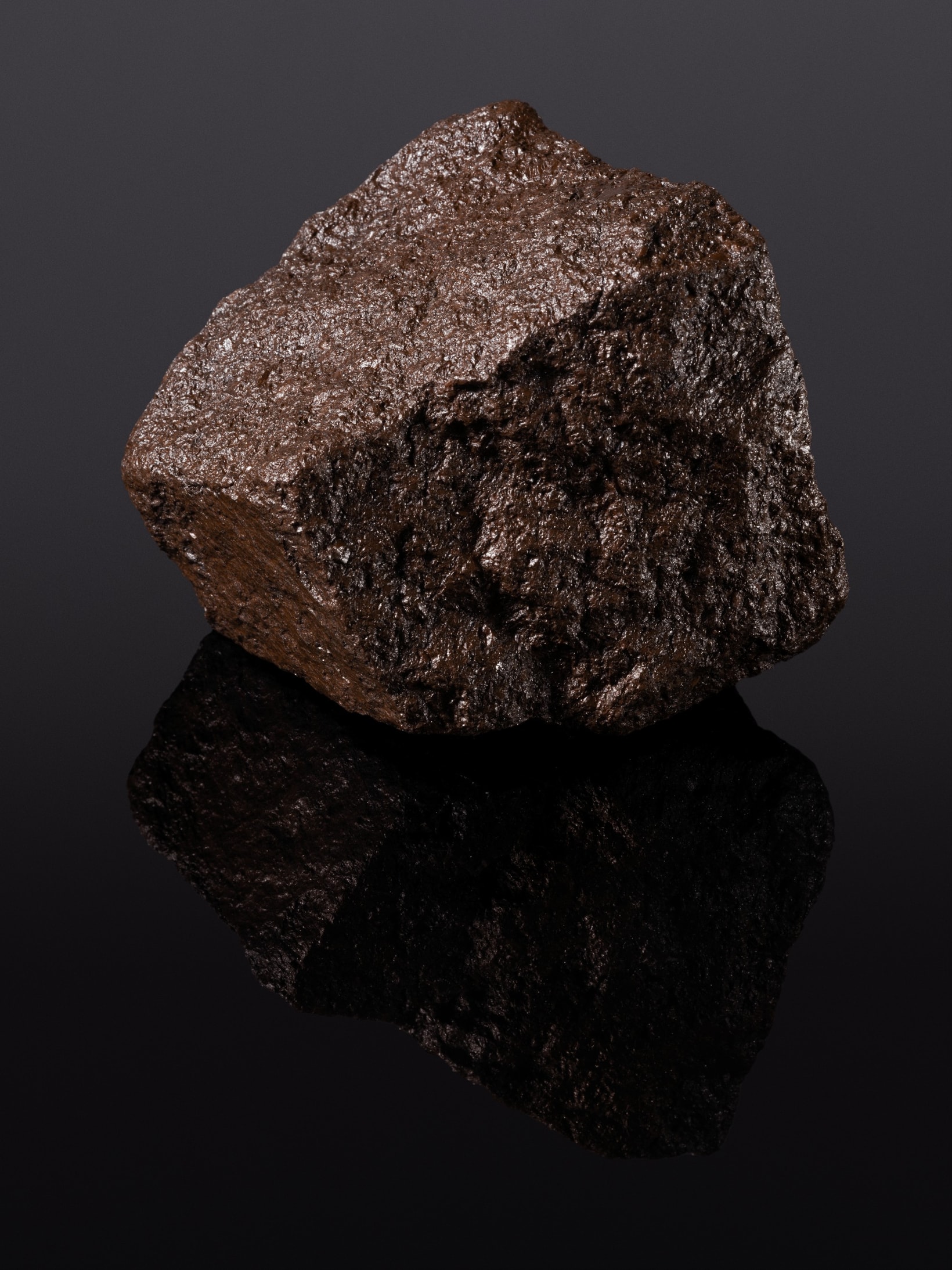
Bronze is born from the alchemy of two metals, copper (90%) and tin (10%). Copper is abundant but soft; tin, rarer, is found mainly in Southeast Asia and Peru. The alloy of the two—with the earliest known objects dating to 4500 BCE on the Pločnik sites in Serbia—marked a decisive turning point in the history of technology. Harder, more resistant, and more malleable than copper (discovered around 8000 BCE), it paved the way for the creation of longer-lasting tools and artworks, whose mastery became a marker of power.
Its spread at the heart of ancient civilizations signaled a new era, the Bronze Age, marking the end of Prehistory. But bronze did not only symbolize technical progress—it also introduced a new way of shaping beauty. The lost-wax casting technique enabled the creation of statues, busts, chests, vases, jewelry, ritual objects. Every creation could be fine and precise. And above all, it could take on a patina. Time told itself, differently.
Over the centuries, with the arrival of the Iron Age (around 1200 BCE) and subsequent advances, bronze may have lost importance, only to be reborn later in new alloys: silicon bronze, aluminum bronze, beryllium bronze… These modern variants offer improved resistance to shocks, friction, and corrosion. They are found in maritime applications, mechanical bearings, and electrical engineering.
Marine chronometry in the 18th century, and then contemporary watches, reclaim it
Marine chronometry used bronze (copper and tin alloy) as early as the 18th century for its resistance to saltwater corrosion, its stability in the face of vibration and humidity, its ability to limit electrolysis between metals, and its non-magnetic nature. Yet bronze was not used to make cases, but rather for structures, external parts, and components exposed to marine conditions.
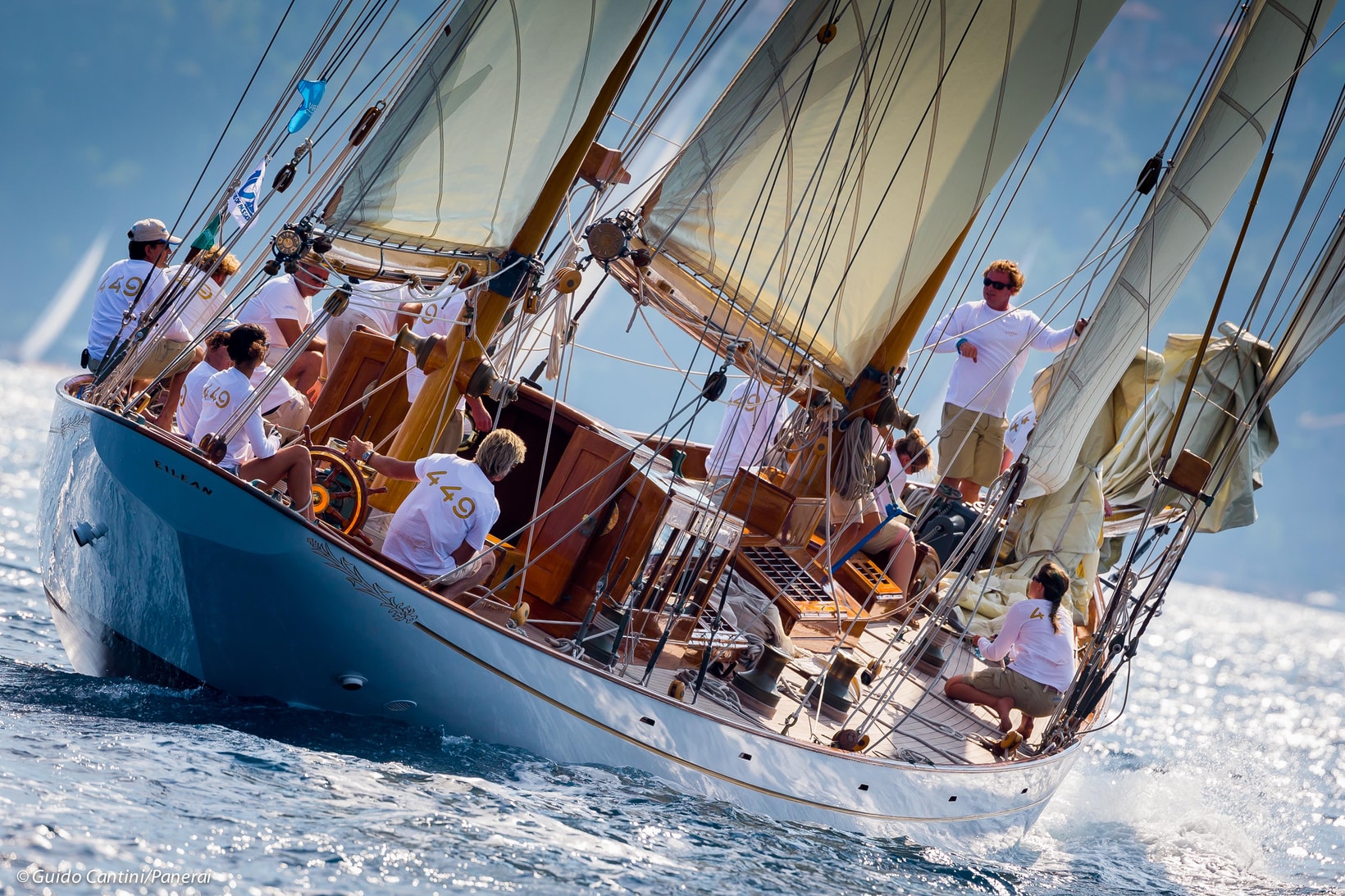
While the metal was gradually abandoned in favor of others, including stainless steel, it has made a comeback over the past fifteen years. And it is this nautical tradition that explains the return of bronze in contemporary watchmaking.
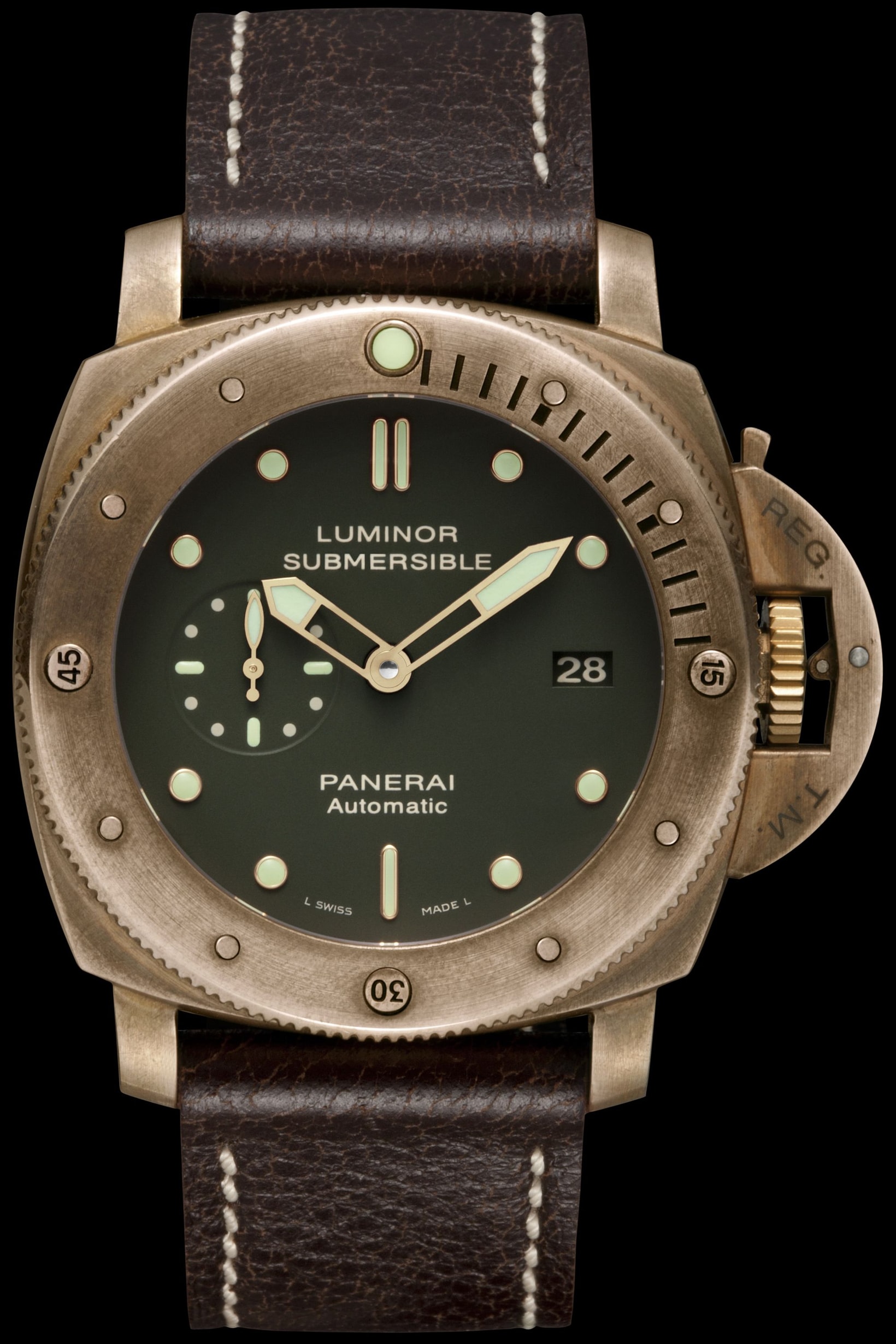
Panerai, whose history is intimately linked to the sea, was one of the first to reintroduce bronze with the Luminor Submersible 1950 3 Days Automatic Bronzo 47 mm – PAM00382 in 2011, establishing the material as a valuable signature in its watches.
Unlike steel or titanium, bronze is never static. In contact with air, humidity, and skin, it gradually forms a patina. Different for each wearer, it transforms the watch into a unique object. In a luxury landscape where authenticity and individualization have become central, this organic evolution is a strength.
Standing apart from bronze alloys typically used in watchmaking, Panerai’s bronze benefits from a special composition using pure copper and pure tin, which encourages the development of a distinctive patina on the surface. Thanks to this particular evolution, the alloy has become a true asset for the brand, helping cement the desirability of Panerai’s bronze models.
When new, the watch displays a warm tone, and over time the case develops a patina resulting from interaction with external elements such as air, humidity, heat, and friction. Although this patina does not alter the material’s intrinsic properties, it forms a protective layer that gives each piece its own identity.
A new bronze model
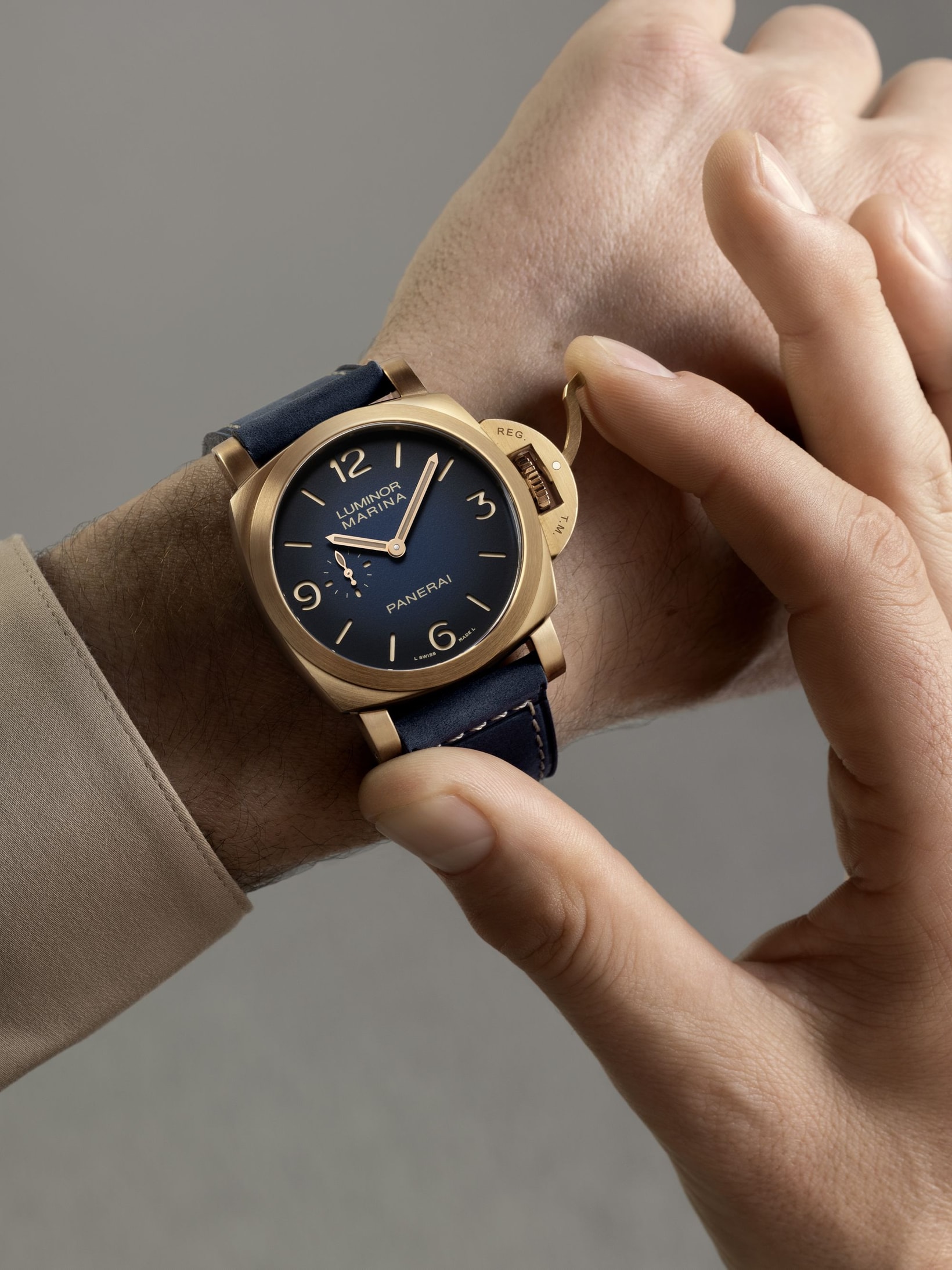
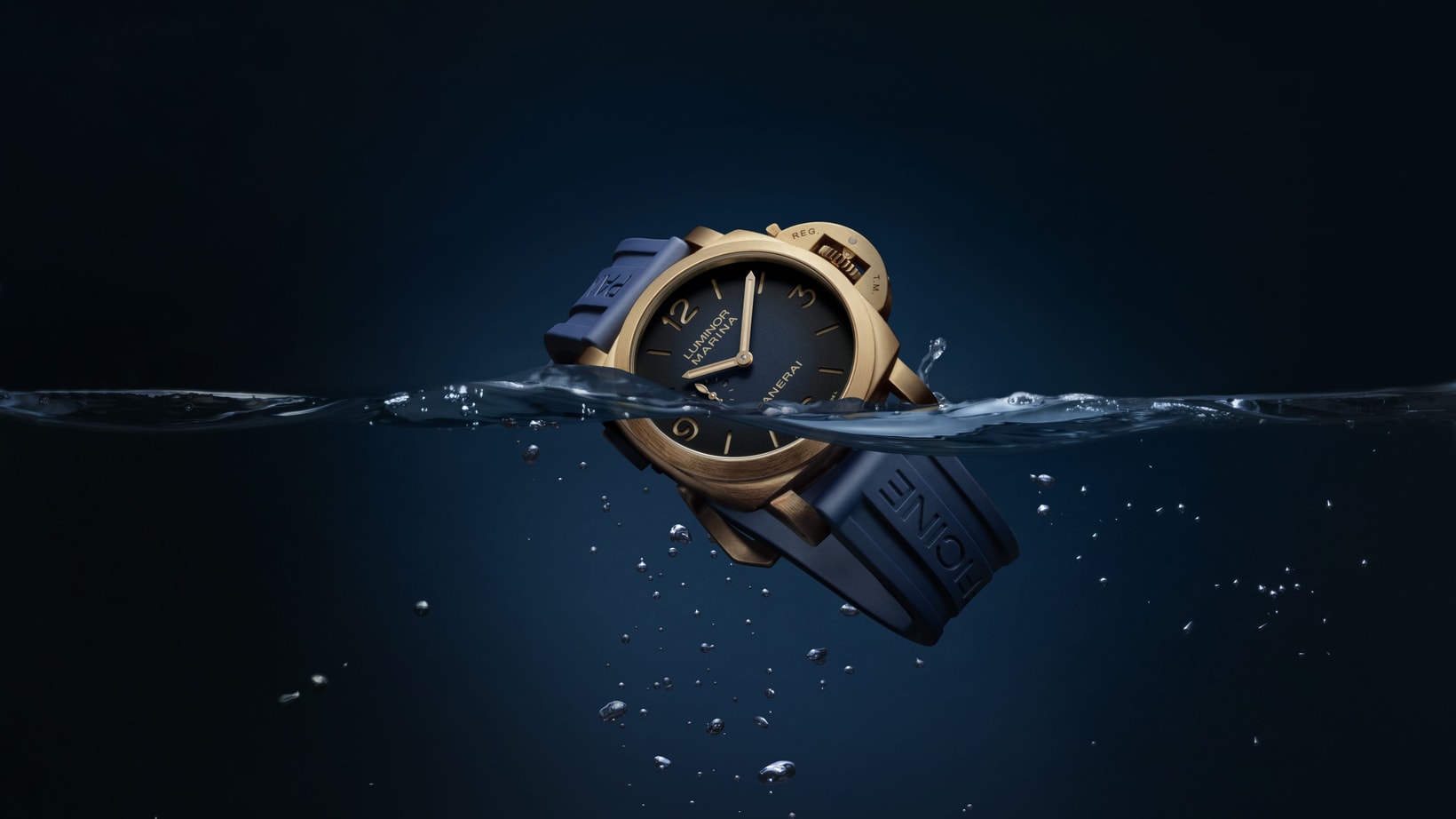
Today, December 2, 2025, Panerai unveils a new expression of these qualities with the Luminor Marina Bronzo PAM01678. “For us, bronze is more than just a material: it’s a means of expression,” explains Alessandro Ficarelli, Chief Marketing and Product Officer at Panerai. “The new Luminor Marina PAM01678 immediately evokes the marine world, pairing the design of our most iconic watch with a material that embodies our maritime heritage. Its evolving patina allows us to tell a story about time and the sea, ultimately reflecting the journey of the person who wears it.”
The watch reprises the emblematic codes of the Luminor collection: the crown-protecting bridge originally designed to prevent water infiltration, the matte blue sandwich dial offering optimal legibility even in low light, and the rhodium-plated small seconds at 9 o’clock. The warm tones of the bronze match the beige Super-LumiNova used for the numerals and hands, ensuring excellent readability.
The streamlined, vintage-inspired design includes a transparent sapphire caseback revealing the new P.980 calibre, an automatic movement with a 3-day power reserve. The movement features a full balance bridge for improved shock resistance and a stop-seconds function allowing precise time setting by stopping the seconds hand when the crown is pulled out. Like the other new models in the collection, the Luminor Marina Bronzo PAM01678 offers reinforced water-resistance up to 50 bar (~500 meters).
This year, Panerai celebrates 165 years of history. On September 10, the brand hosted a major retrospective in Florence with the exhibition The Depths of Time. With this new model, Panerai continues its legacy of professional tool watches developed for the Italian Navy commandos.
En partenariat avec Panerai
Partager l'article
Continuez votre lecture
Sport
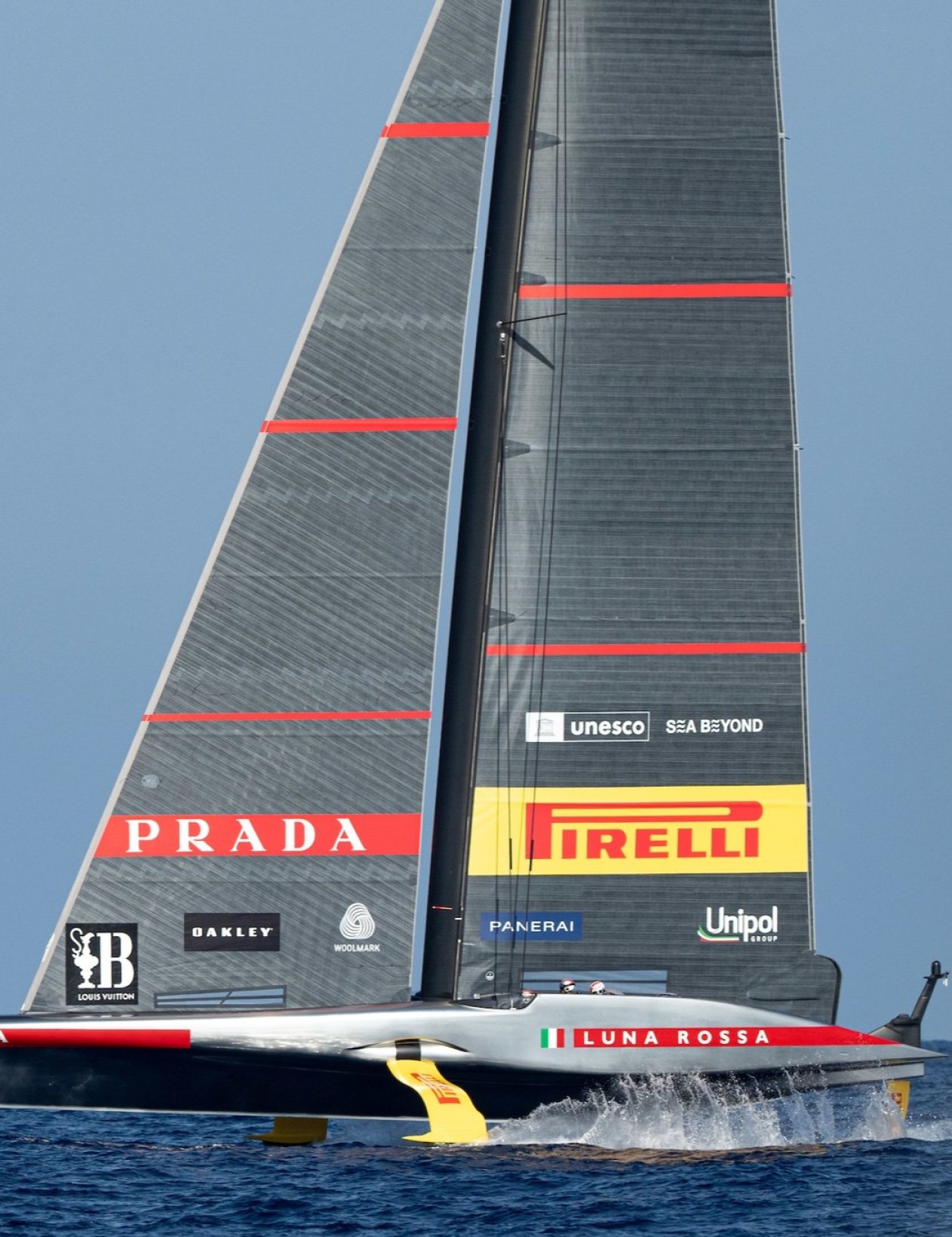
America’s Cup: Panerai Renews its Partnership with Luna Rossa
On Tuesday, watchmaker Panerai announced that it will once again support Italian official challenger Luna Rossa as official sponsor for the 38th edition of the America’s Cup, which will be hosted by Italy for the first time in the competition’s history.
Newsletters
Cet article vous plaît ?
Inscrivez-vous à nos newsletters pour recevoir les dernières publications et analyses selon nos 4 thématiques: