Brazil: the Rise of a Luxury Sector Fuelled by its Own Fortunes

By Eva Morletto20 octobre 2026
Long confined to the upmarket neighbourhoods of São Paulo and Rio de Janeiro, the Brazilian luxury sector is expanding in scale and, above all, in geographical reach. From Trancoso to the Lençóis Maranhenses, from the coast of Ceará to Alagoas, hotels, designer residences and private villas are catering to a wealthy clientele in search of nature and exclusivity. In their wake, Brazilian fashion, jewellery and beauty brands are also asserting their international ambitions.

56,8 Bn
Value of luxury goods sales in Brazil in reais (approx. €9 billion) in 2025, according to Euromonitor
10,607
Number of luxury or ultra-luxury properties, valued at over 2 million reais, that were sold in 2025
70%
Percentage of Brazilian guests at luxury establishments in Brazil in 2025

Newsletters
Cet article vous plaît ?
Inscrivez-vous à nos newsletters pour recevoir les dernières publications et analyses selon nos 4 thématiques:
Trancoso, the Testing Ground for ‘Barefoot Luxury’

Before 2020, it was still possible to find plots of land there for less than one million reais. Today, they generally start at 3.5 million, according to local professionals interviewed by Forbes Brasil.
In the Reserva Trancoso complex – developed notably by the partnership between REDCO and Bahia Beach, with the Brazilian group Fasano acting as hotel operator – all 23 Estâncias Fasano have been sold, and some villas in the development have seen their value double or triple. The last remaining houses, designed by Bernardes Arquitetura, start at around 25.5 million reais. For rentals, a seven-suite property can fetch up to 35,000 reais – around 5,500 euros – per day in high season.
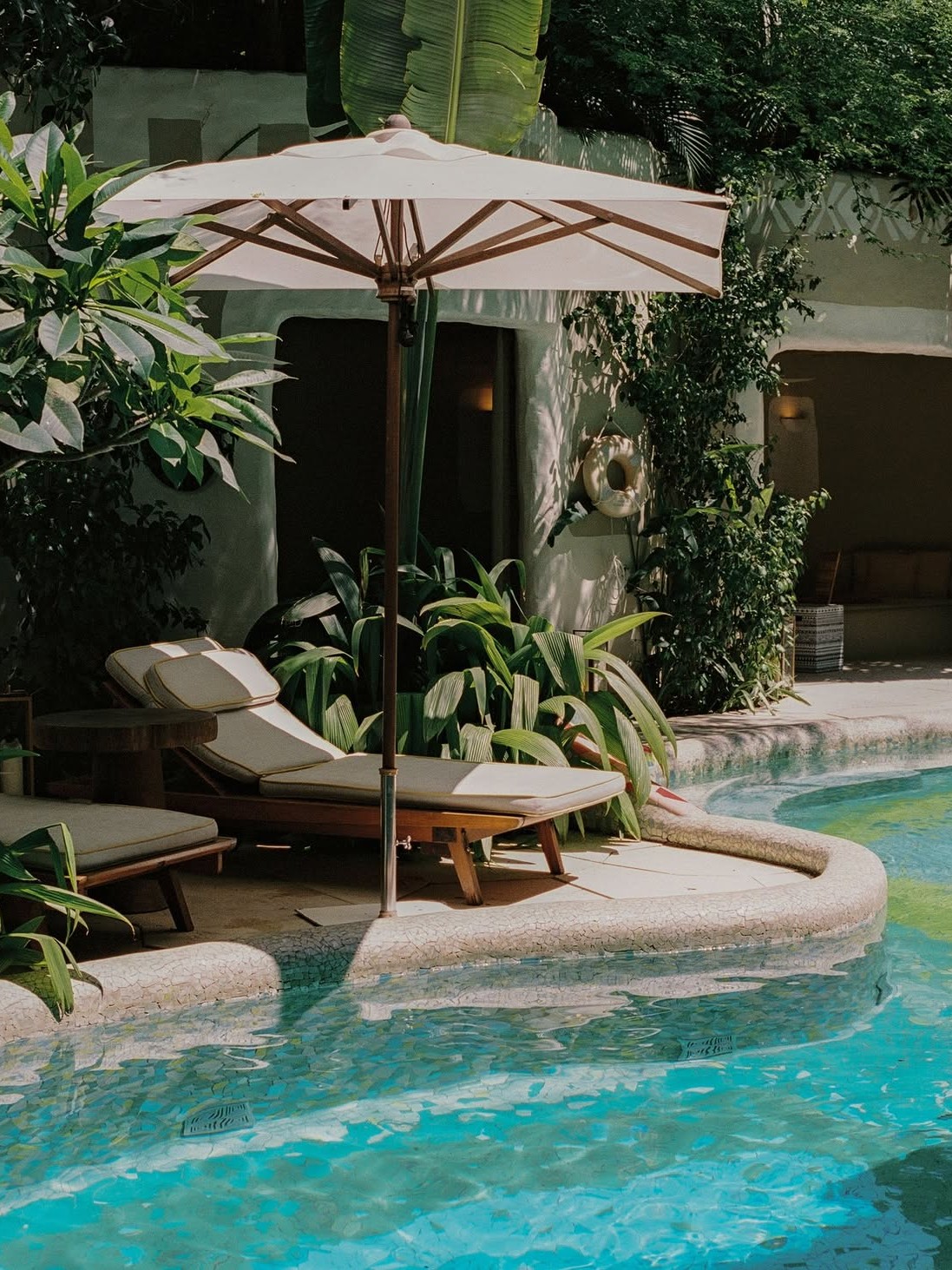
The concept is now being replicated elsewhere: combining scarce land, architecture, catering, wellness, concierge services and a hotel brand to transform a second home into a viable luxury product.
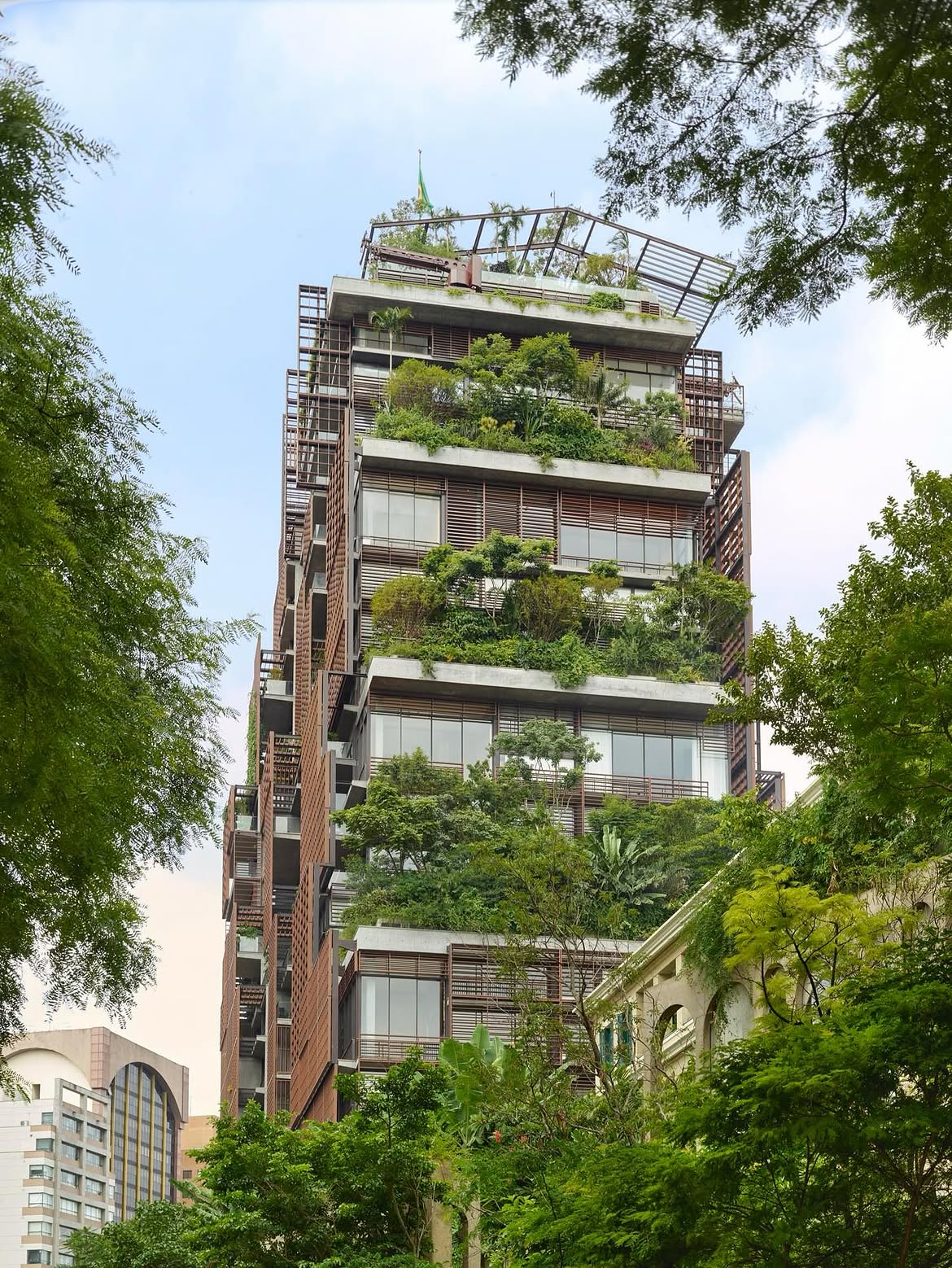
Angra dos Reis, south of Rio, already offers this hybrid model centred on the Fasano complex and the FRAD.E estate. The five-star hotel has 60 rooms and a 2,000 m² spa, whilst villas and residences extend the hotel experience into private accommodation. São Paulo is following the same urban model with Rosewood and Cidade Matarazzo, a project led by the French entrepreneur Alexandre Allard, with an initial investment of nearly 3 billion reais.
From Ceará to Lençóis: the New Frontiers
The Nordeste is one of the regions currently offering the greatest potential for the development of luxury tourism
Cibele Maciet, founder of Cibele Maciet Communication

Pour continuer à lire cet article, abonnez-vous maintenant
CHF 10.- par mois / CHF 99.- par année
- Accès illimité à tous les contenus payants
- Des analyses approfondies sur l'industrie du luxe que vous ne trouverez nulle part ailleurs.
- Des études et rapports sur les principaux défis à venir ainsi que leur décryptage.
- Des articles académiques élaborés par des professeurs et des doctorants membres du Swiss Center for Luxury Research, ainsi qu’un certain nombre d’universités à l’étranger.
- Des événements réservés aux membres pour enrichir vos connaissances et votre réseau.
Partager l'article
Continuez votre lecture

Simone Gibertoni, CEO of la Clinique La Prairie: “We are building a global longevity ecosystem.”
Between opening clinics and Longevity Hubs, creating an investment fund, and developing a residential real estate project, Simone Gibertoni is accelerating La Clinique La Prairie’s international expansion. Faced with the arrival of new players boosted by artificial intelligence, the Swiss group is strengthening its ultra-premium model based on medical expertise, technological innovation focused on longevity, and customer experience.

China’s Hottest Business: Postpartum 5 Stars Hotels Stays
In China, as birth rates hit historic lows, spending per birth continues to rise in the luxury segment. The most obvious evidence: entire floors of prestigious hotels like the Four Seasons are being rented out to provide 24-hour nursing care, postpartum fitness programs, and private chef services. This is a reinvention of an ancient Chinese tradition (zuo yuezi), which is now spreading to the West.
By Amy Weng
Newsletters
Cet article vous plaît ?
Inscrivez-vous à nos newsletters pour recevoir les dernières publications et analyses selon nos 4 thématiques: