Why are China’s Most-followed Lifestyle Influencers Continuing to Disappear?

By Amy Weng25 juin 2026
In China, influencers with millions of followers have seen their accounts deleted overnight for flaunting their wealth. Beyond the authorities’ crackdown, this sudden halt reveals a deeper shift: amongst affluent consumers, the display of wealth is giving way to discretion, and luxury is moving from public spaces into the private sphere.

3–5%
Contraction of the Mainland Chinese Market for Personal Luxury Goods in 2025
4 Mio
Number of followers on Douyin amassed by influencer Wang Hongquanxing before his account was shut down
2025
Content that bases its influence solely on money has no longer been officially welcome in China since that year
Newsletters
Cet article vous plaît ?
Inscrivez-vous à nos newsletters pour recevoir les dernières publications et analyses selon nos 4 thématiques:
A Campaign by the Cyberspace Administration of China Against Accounts Built on Flaunting Wealth

Pour continuer à lire cet article, abonnez-vous maintenant
CHF 10.- par mois / CHF 99.- par année
- Accès illimité à tous les contenus payants
- Des analyses approfondies sur l'industrie du luxe que vous ne trouverez nulle part ailleurs.
- Des études et rapports sur les principaux défis à venir ainsi que leur décryptage.
- Des articles académiques élaborés par des professeurs et des doctorants membres du Swiss Center for Luxury Research, ainsi qu’un certain nombre d’universités à l’étranger.
- Des événements réservés aux membres pour enrichir vos connaissances et votre réseau.
Partager l'article
Continuez votre lecture
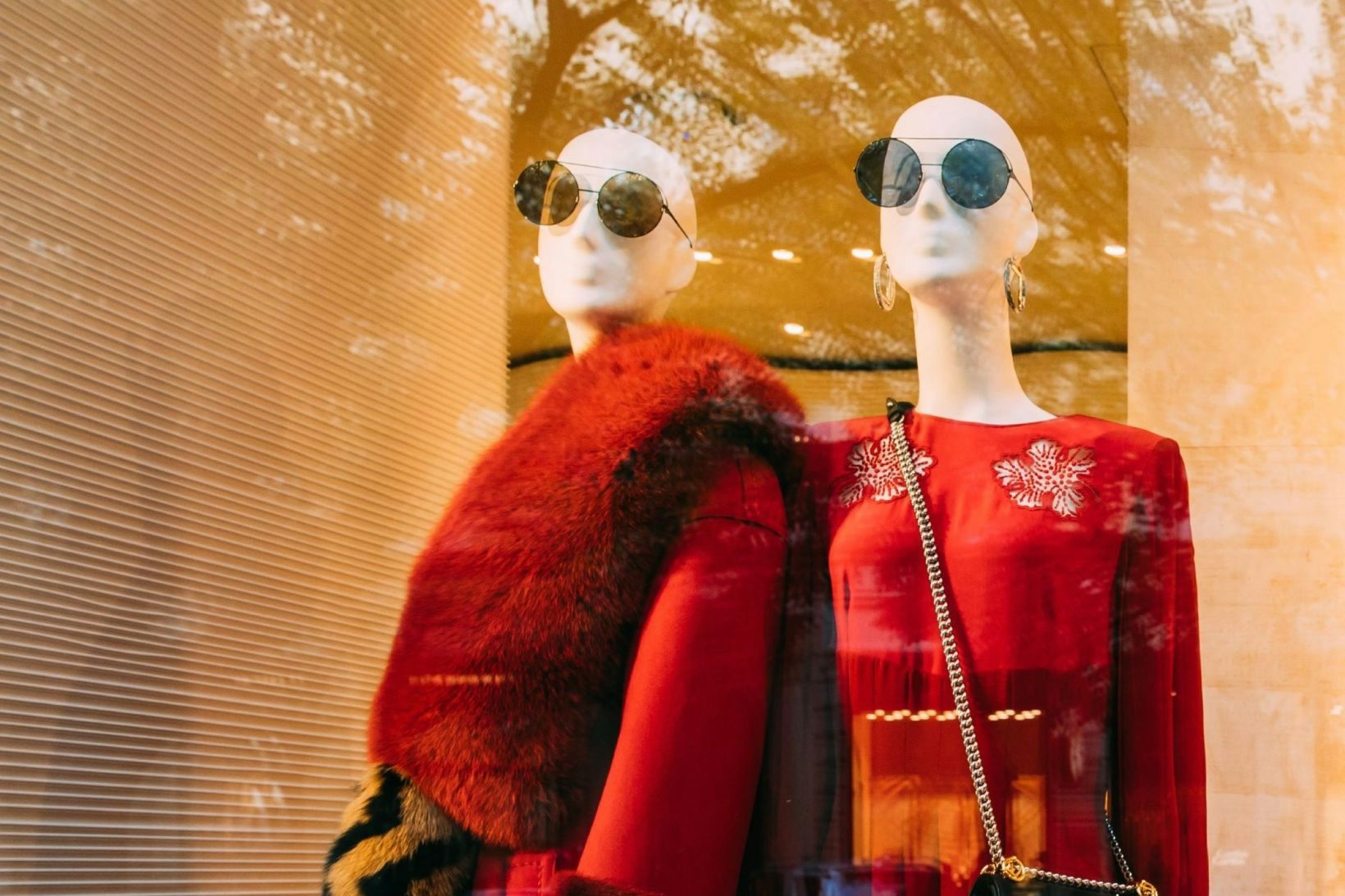
According to Bain & Co, the Personal Luxury Goods market is set to slow, with growth of between 1% and 4% in 2024
The overall global luxury market is expected to reach 1.5 trillion euros by the end of 2023, accelerated by the Personal Luxury Goods segment that could reach 362 billion euros, according to the 22nd luxury market report by Bain & Co. and Altagamma.

In China, Luxury Flagship Stores Are Making the Experience Profitable
In the luxury market, flagship stores in China now compete with museums, restaurants, and other cultural events to capture consumers’ attention for a few hours. However, the brands that win this battle do not follow European conventions.
By Amy Weng
Newsletters
Cet article vous plaît ?
Inscrivez-vous à nos newsletters pour recevoir les dernières publications et analyses selon nos 4 thématiques: