
The pioneering second-hand fashion platform is approaching a strategic turning point. The announcement on Monday, January 5, of the departure of Fanny Moizant, co-founder and iconic figure of the company, marks the end of an era for the luxury resale site.

After sixteen years at the helm of the project she launched in Paris in 2009 with Sophie Hersan, Fanny Moizant confirmed on LinkedIn that she was leaving the company, specifying that this decision was neither her own nor anticipated: “It was not a decision I made,” she wrote, emphasizing her gratitude for the Vestiaire Collective adventure.
Newsletters
Cet article vous plaît ?
Inscrivez-vous à nos newsletters pour recevoir les dernières publications et analyses selon nos 4 thématiques:
Her departure comes amid a period of profound internal restructuring, following the departure in October 2025 of CEO Maximilian Bittner, who was replaced by Bernard Osta, former head of finance and strategy (formerly of Lazard and Goldman Sachs). According to several observers, these changes reflect a desire to reorganize the company, likely under pressure from investors seeking to improve performance and profitability as the luxury secondhand market becomes more competitive.
Since its creation, Vestiaire Collective has established itself as one of the world's leading platforms for buying and selling pre-owned luxury clothing and accessories. Present in more than 70 countries, it boasts a catalog of several million items per year and a very active international community.
Financially, although the company does not systematically publish its results, recent estimates indicate a valuation of around €1.5 billion.
Vestiaire Collective has attracted major investors over the years, notably the Kering group, which joined the capital in 2021. The company has raised multiple rounds of funding, including a significant €178 million in 2021 from Kering and Tiger Global Management, which elevated it to French unicorn status.
Vestiaire Collective's model is based on a combination of sustainability, quality, and authenticity, which are strong assets in the face of increased competition from other platforms. Its commitment to circular fashion has earned it B Corp certification, a label particularly prized by young consumers who are sensitive to the environmental impact of their purchases.
However, this positioning raises difficulties. The luxury resale market is experiencing strong growth, driven by global trends toward more responsible consumption, but it is also becoming more fragmented, with local and international players seeking to capture market share.
The departure of Fanny Moizant raises questions about Vestiaire Collective's long-term strategy. Is it a refocusing on economic performance or a more profound transformation of the existing model? The stakes are high in the secondhand luxury market, which is expected to reach approximately $360 billion in revenue by 2030, according to a report published in October 2025 by Boston Consulting Group (BCG) and Vestiaire Collective.
Partager l'article
Continuez votre lecture
Jewellery
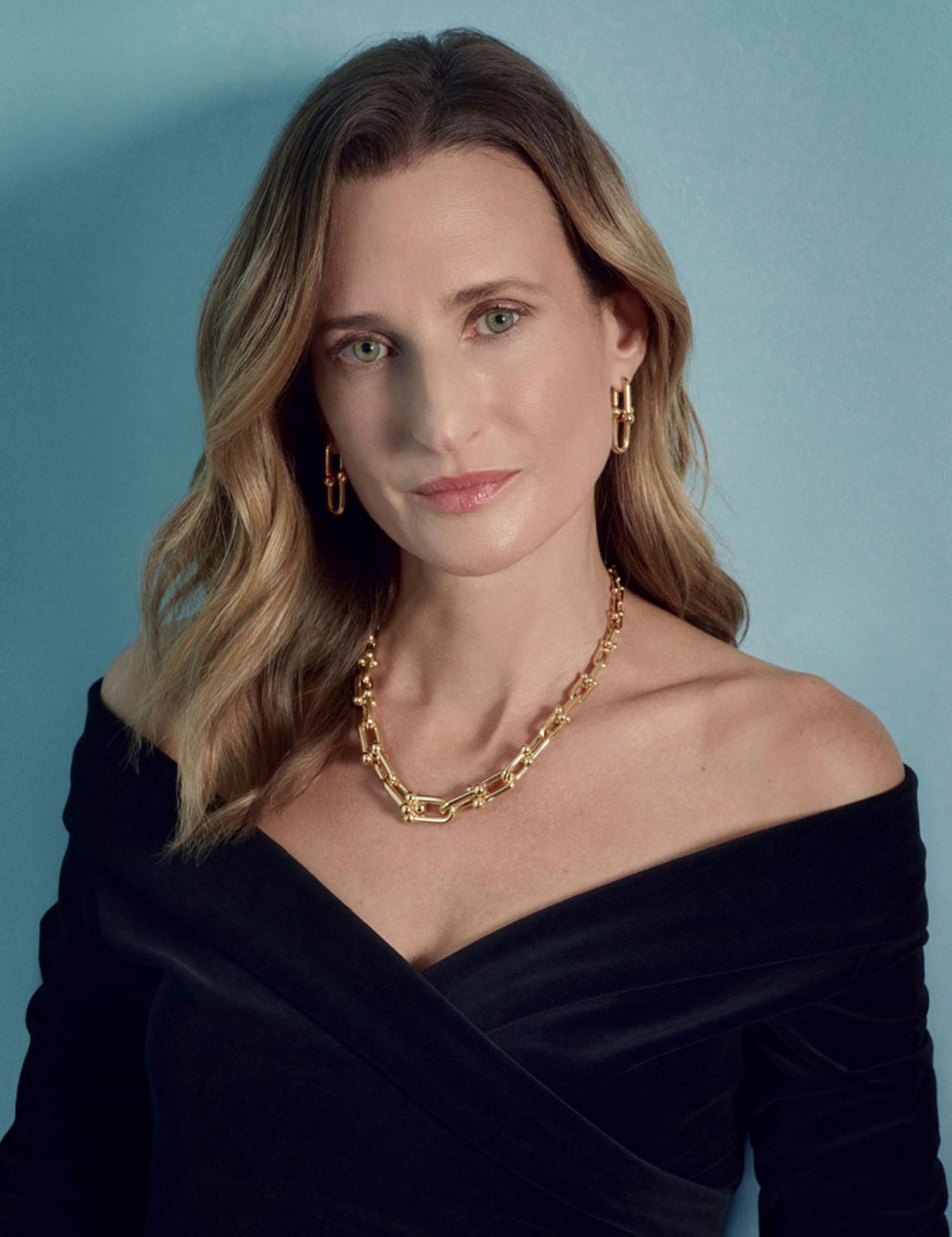
A New Step in Tiffany & Co.’s Growth
The appointment of Robin Langlais as Managing Director for the Middle East and Africa, announced on January 5, is part of a successful growth strategy for Tiffany & Co., also driven by geographical expansion and image enhancement.
By Eva Morletto

Business
Hyatt Sells 14 Luxury Resorts For $2 Billion
On December 30, Hyatt Hotels Corporation finalized the sale of 14 luxury resorts to Tortuga Resorts, an emerging platform in the high-end hotel industry, for approximately $2 billion.
By Eva Morletto
Newsletters
Cet article vous plaît ?
Inscrivez-vous à nos newsletters pour recevoir les dernières publications et analyses selon nos 4 thématiques: