
Luxury Figures

Harrod’s: Heavy Investments Reduce Profits

Eva Morletto

By Eva Morletto06 octobre 2025

Harrod's Group (Holdings) Limited, which includes the famous London department store, has published its latest financial results for 2024 in the Companies Register. In the midst of transition, it reports a relatively stable year, despite heavy investments reducing its profits.
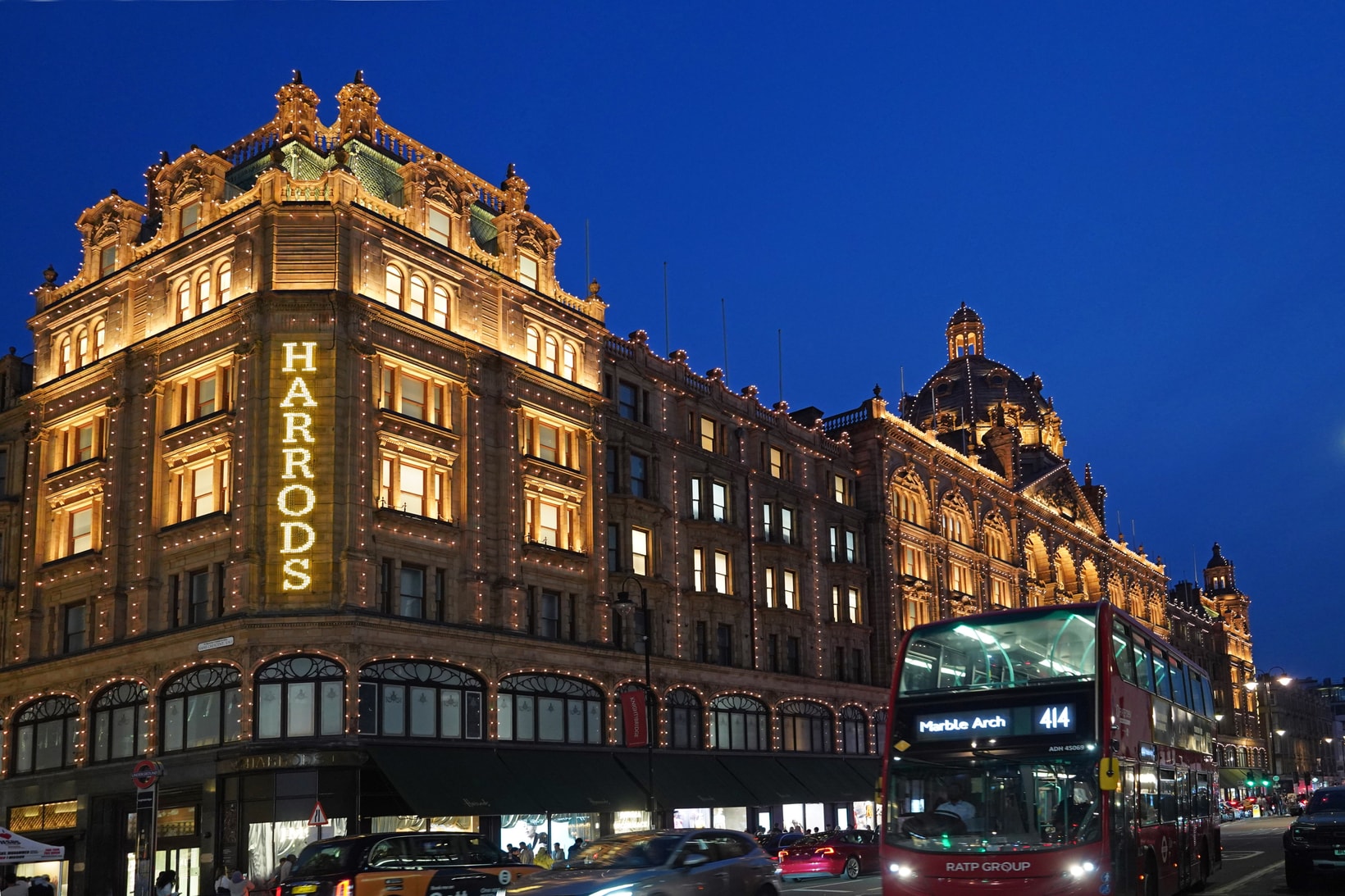
Harrod's is in good economic health with fairly stable results, above what it posted in its post-COVID financial years (Shutterstock)

It's a rather gloomy picture for the British department store Harrod's, which closed its 2024 financial year with a £34.3 million drop in pre-tax profits, down to $46.2 million.

But don't be fooled, because contrary to what these results suggest, Harrod's is in good health with fairly stable results, above what it posted in its post-Covid financial years. In January 2023, for example, Harrod's recorded exceptional growth in turnover, reaching £994 million with a 52% jump in sales.

Newsletters

Cet article vous plaît ?

Inscrivez-vous à nos newsletters pour recevoir les dernières publications et analyses selon nos 4 thématiques:


While today's figures are not encouraging, the reason lies in costs, particularly those related to the launch of the Harrods Redress Scheme last March. This compensation program aims to offer support to victims of sexual harassment and abuse committed by the company's former chairman, Egyptian billionaire Mohamed Al Fayed. More than 100 victims, mainly current or former employees of the company, have filed complaints against the businessman, who died in August 2023, and compensation payments began in April.

In addition, one of its third-party suppliers recently informed it that certain personal data belonging to Harrods online customers had been stolen from one of its systems. The personal data compromised was limited to basic personal identifiers, including names and contact details, but did not include account passwords or payment information. 430,000 customers were affected.

Faced with the slowdown in the luxury sector, how are department stores, the iconic showcases of luxury in major capitals, faring?

The watchword is revitalization. The luxury industry is going through a phase of maturity, and department stores can no longer rely on their symbolic status to attract customers. Instead, they must reorganize their offerings and reorient their strategy to continue to appeal to a clientele that is more careful with its spending.

In the French capital, Galeries Lafayette and Printemps are focusing on men's fashion. The French group Galeries Lafayette will reorganize its spaces between now and next year to highlight this segment.
But wanting to rethink everything can also create some difficulties: on Wednesday, October 1, Shein, the Chinese ultra-fast-fashion giant, signed an agreement with Société des Grands Magasins (SGM), owner of BHV Marais, to launch its first physical store in the world, in Paris, in early November. With the Chinese platform being closely monitored by French authorities for its opaque business practices, the news has been met with mixed reactions.

Galeries Lafayette responded quickly, emphasizing its “profound disagreement with this decision in view of the positioning and practices of this ultra-fast fashion brand, which contradict its offering and values.”
However, preventing Shein from opening stores will not be easy, as it already plans to set up shop in five of the seven Galeries Lafayette stores in France. Several luxury brands are already considering boycotting Galeries.

The tide also seems to be turning at La Samaritaine (LVMH), which is struggling to compete with the famous Bon Marché, located on the other side of the Seine. Here, it is not Shein that is the cause of the problem, but the massive arrival of fast fashion brands in the area surrounding the Rue de Rivoli in Paris, attracting a very young clientele. La Samaritaine thus finds itself isolated as a luxury stronghold, with an annual turnover of barely €260 million, according to Challenges magazine.

Partager l'article

Continuez votre lecture

Ultra-rich: Hong Kong Leads Growth, US Remains Leader
Business

Ultra-rich: Hong Kong Leads Growth, US Remains Leader

The global UHNW (ultra-high-net-wealth) population, defined by individuals worth $30 million or more, grew by 6.5% in the first half of 2025 to 0.51 million people, according to a latest Altrata wealth report. This cohort now holds a combined wealth of $60 trillion, about twice the U.S. annual GDP (Gross Domestic Product.)

By Shilpa Dhamija

Loewe Grows 9.2% in 2024
Fashion

Loewe Grows 9.2% in 2024

Loewe, one of the driving forces behind the LVMH portfolio, published its results for the 2024 financial year on Tuesday. The Spanish fashion house, which is very popular with Gen Z, posted positive results with revenues up 9.2% compared to 2023, at €885.2 million.

By Eva Morletto

Newsletters

Cet article vous plaît ?

Inscrivez-vous à nos newsletters pour recevoir les dernières publications et analyses selon nos 4 thématiques:


    Conçu par Antistatique