AbonnéInnovation & Know-How

In China, Hard Pure Gold Jewellery Segment is Getting Stronger

Shilpa Dhamija

By Shilpa Dhamija27 août 2026

China’s gold jewellery market stands at about $112 billion. In a market this big, where consumers are already well stocked, what will trigger the next phase of growth? Jewellers in China are betting on innovative manufacturing technologies.

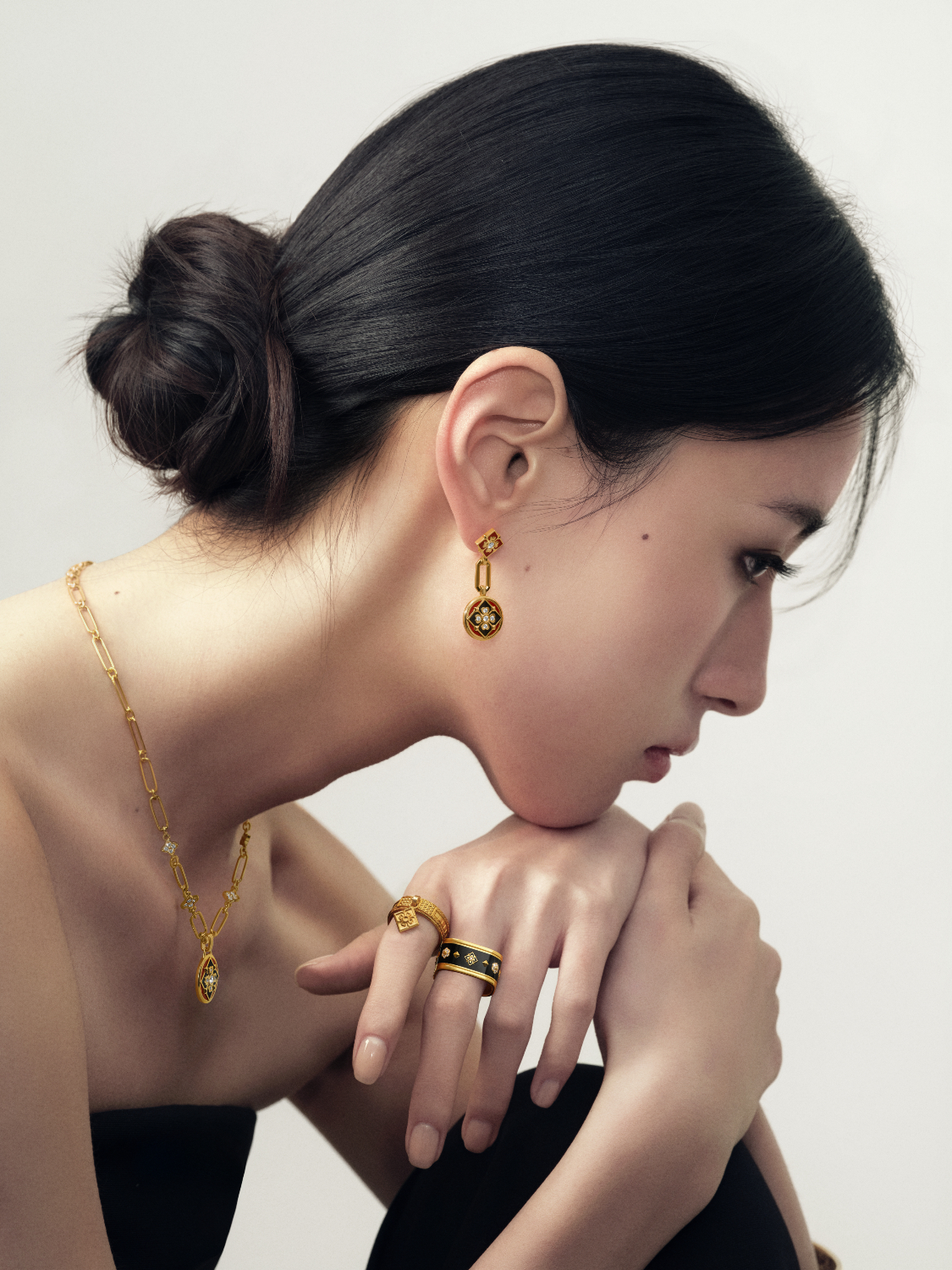
The “DAWN” jewelry collection by Chow Tai Fook Jewellery is crafted from pure, hard gold. CTFJ is the largest jeweler in China (CTFJ)
Chow Tai Fook's “Joie” jewelry collection is aimed at a younger clientele. It is crafted from hard pure gold (CTFJ)

Ever heard of 3D or 5G gold jewellery? The names might suggest wearable tech. In reality they are nothing of the sort. 3D and 5G are types of pure-gold jewellery that is driving young Chinese consumers back to local stores; a demographic that had written off gold jewellery as a bygone trend of their parents' generation.

[“Hard-pure gold” jewelry represents the segment] the most profitable for local retailers

Roland Wang, Regional CEO of the World Gold Council for China

3D and 5G gold are simply variations of - ‘hard-pure gold’ jewellery, a rapidly expanding and highly lucrative segment that has become an indispensable revenue generator for domestic jewellers across China.

According to the World Gold Council, hard pure gold jewellery became not only the fastest growing segment in 2025, “but also the most profitable for local retailers”, reveals Roland Wang. regional CEO, World Gold Council, China.

Newsletters

Cet article vous plaît ?

Inscrivez-vous à nos newsletters pour recevoir les dernières publications et analyses selon nos 4 thématiques:


What is Hard Pure Gold?
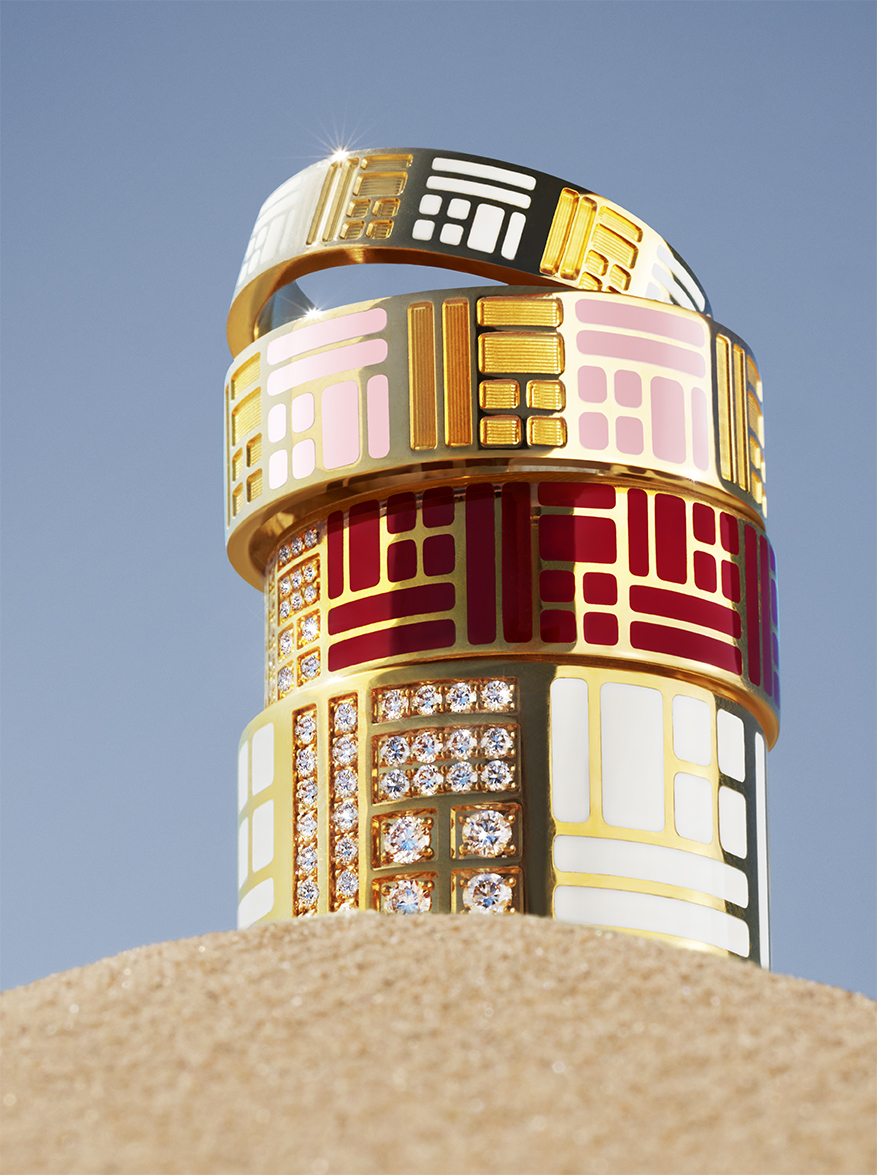
Hard pure gold is 99.99% pure gold. It matches the hardness of 18-karat gold, without losing gold purity - by using manufacturing innovations such as electroforming.

Pure gold is naturally soft. It bends and scratches easily, and lacks the structural strength to securely hold gemstones. To make it stronger, jewellers have traditionally mixed it with other metals, diluting gold's purity, a quality Chinese consumers deeply value. With the alloy method, jewellers were stuck with a trade-off; they could retain purity by keeping designs simple, or reduce purity to create intricate pieces.

Hard pure gold manufacturing techniques that debuted in China in 2008-2009 solved that dilemma by making it possible for pure gold jewellery to be strong enough for gem-setting and intricate designs. It can also be used to craft super light pure-gold jewellery, “which happens to be the kind of jewellery younger buyers prefer”, explains Roland Wang.

The Rouge and DAWN collections from Chow Tai Fook Jewellery are made of hard pure gold (CTFJ)

Pour continuer à lire cet article, abonnez-vous maintenant

CHF 10.- par mois / CHF 99.- par année

  • Accès illimité à tous les contenus payants
  • Des analyses approfondies sur l'industrie du luxe que vous ne trouverez nulle part ailleurs.
  • Des études et rapports sur les principaux défis à venir ainsi que leur décryptage.
  • Des articles académiques élaborés par des professeurs et des doctorants membres du Swiss Center for Luxury Research, ainsi qu’un certain nombre d’universités à l’étranger.
  • Des événements réservés aux membres pour enrichir vos connaissances et votre réseau.

Partager l'article

Continuez votre lecture

Gold Hike Continues: Jewellers in Major Markets Re-evaluate Their Strategy
Watches & Jewellery

Gold Hike Continues: Jewellers in Major Markets Re-evaluate Their Strategy

Gold’s record rally ($5,080 per ounce on January 26, 2026) is softening jewellery sales in top markets – India and China. As consumers prioritise investment over adornment, how are local jewellers pivoting to keep shoppers engaged?

By Shilpa Dhamija

China-Switzerland Agreement: The Benefits for the Swiss Watch Industry
Watches

China-Switzerland Agreement: The Benefits for the Swiss Watch Industry

Switzerland and China have just taken a decisive step toward modernizing their free trade agreement, which has been in effect since 2014. After five rounds of negotiations, Bern and Beijing announced that they had concluded their discussions.

By Eva Morletto

Newsletters

Cet article vous plaît ?

Inscrivez-vous à nos newsletters pour recevoir les dernières publications et analyses selon nos 4 thématiques:


    Conçu par Antistatique